
15 Night Blooming Flowers for a Magical Moon Garden


There is something truly mystical about a garden that only reveals its full glory after the sun sets. When most plants are closing up for the day, night blooming flowers begin their graceful dance, releasing intoxicating scents and glowing under the moon’s silvery light.
Whether you want a quiet place to unwind after work or a fragrant sanctuary for late-night gatherings, these nocturnal wonders are the key to a transformative outdoor space.
Creating a moon garden is a rewarding DIY project that focuses on sensory experiences. By selecting night blooming flowers with white or pale petals, you can catch every bit of ambient light, making your garden literally glow in the dark.
In this guide, we will walk through 15 specific varieties, detailing exactly how to plant and care for them so you can enjoy a backyard that smells like a dream and looks like a fairytale every single night.
1. The Ethereal Moonflower Vine
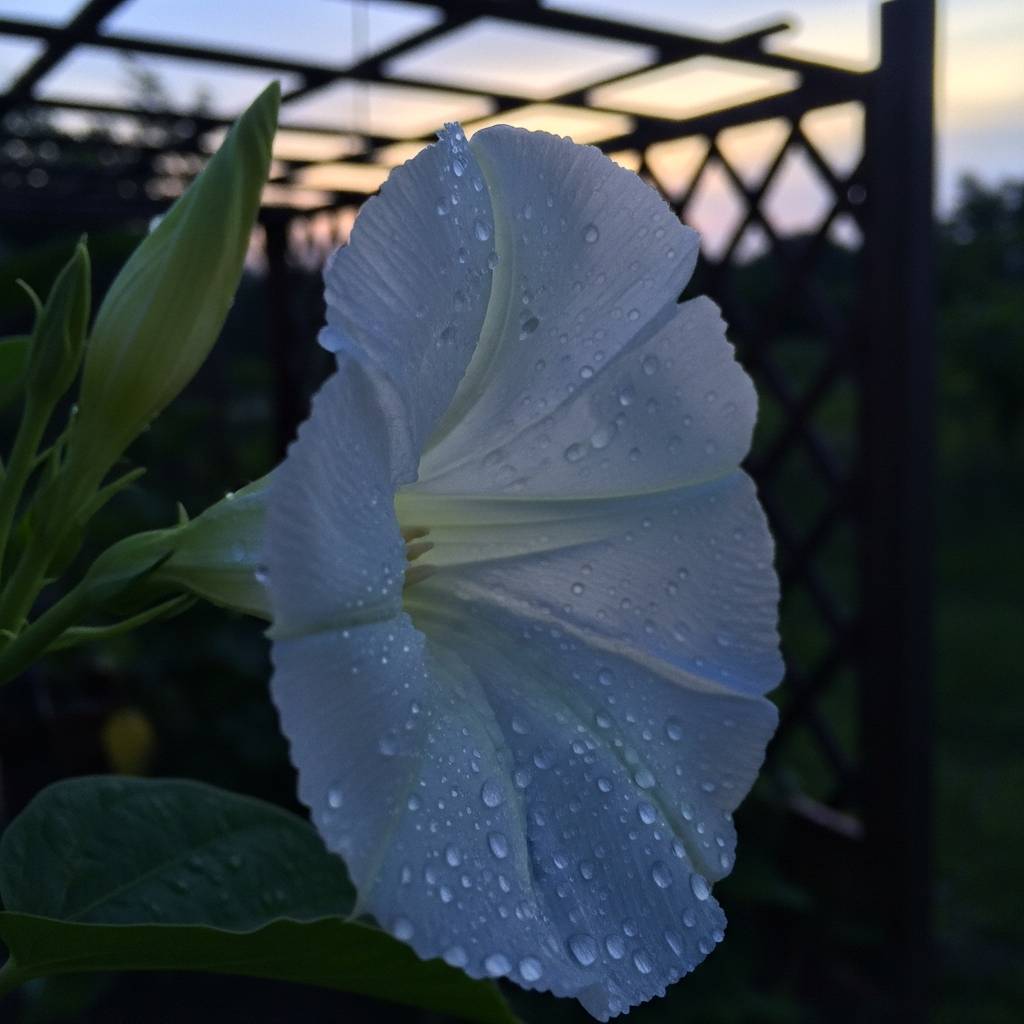
The Moonflower (Ipomoea alba) is a quintessential choice for any evening enthusiast. To get started with this DIY climber, nick the hard seed coats with a file and soak them in warm water for 24 hours before planting. This ensures faster germination. Choose a sturdy trellis or fence near your patio. As dusk falls, you can actually watch these large, white, trumpet-shaped blooms unfurl in minutes. They release a delicate, lemon-like scent that fills the air until the morning sun causes them to retreat. Ensure they have plenty of sun during the day to fuel their dramatic nighttime show.
2. Night-Blooming Jasmine Scented Sanctuary
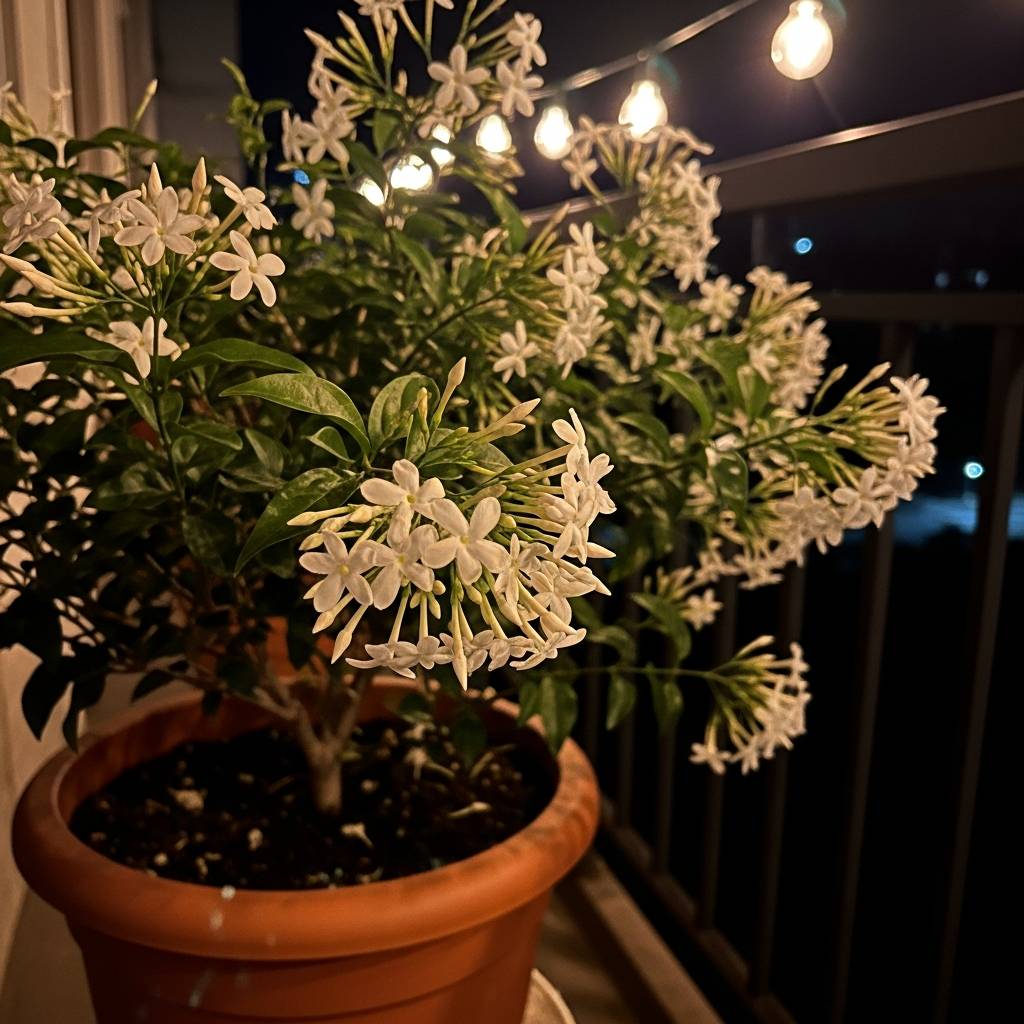
Known scientifically as Cestrum nocturnum, this shrub is famous for having the strongest fragrance of any plant in the world. For a successful DIY container garden, plant your Jasmine in a large pot with well-draining soil. Place it near a window or door so the scent can drift indoors. During the day, the greenish-white tubular flowers look modest, but at night, they release a powerful, sweet perfume. Prune the plant back after its main blooming cycle to encourage new, flower-bearing growth and keep it from becoming too leggy in your garden space.
3. Evening Primrose for Wildflower Charm

Evening Primrose (Oenothera biennis) offers a more rustic, wildflower aesthetic. These yellow blooms pop open quickly as the sun goes down, attracting nocturnal pollinators like sphinx moths. They are incredibly easy to grow from seed; simply scatter them in a sunny spot with poor to average soil. They are drought-tolerant and hardy. For a DIY touch, use these in a dedicated ‘pollinator corner’ where you can sit quietly and watch the moths visit. Be aware that they can spread easily, so deadhead the spent blooms if you want to keep them contained to a specific area.
4. Four O’Clocks for Afternoon Transitions
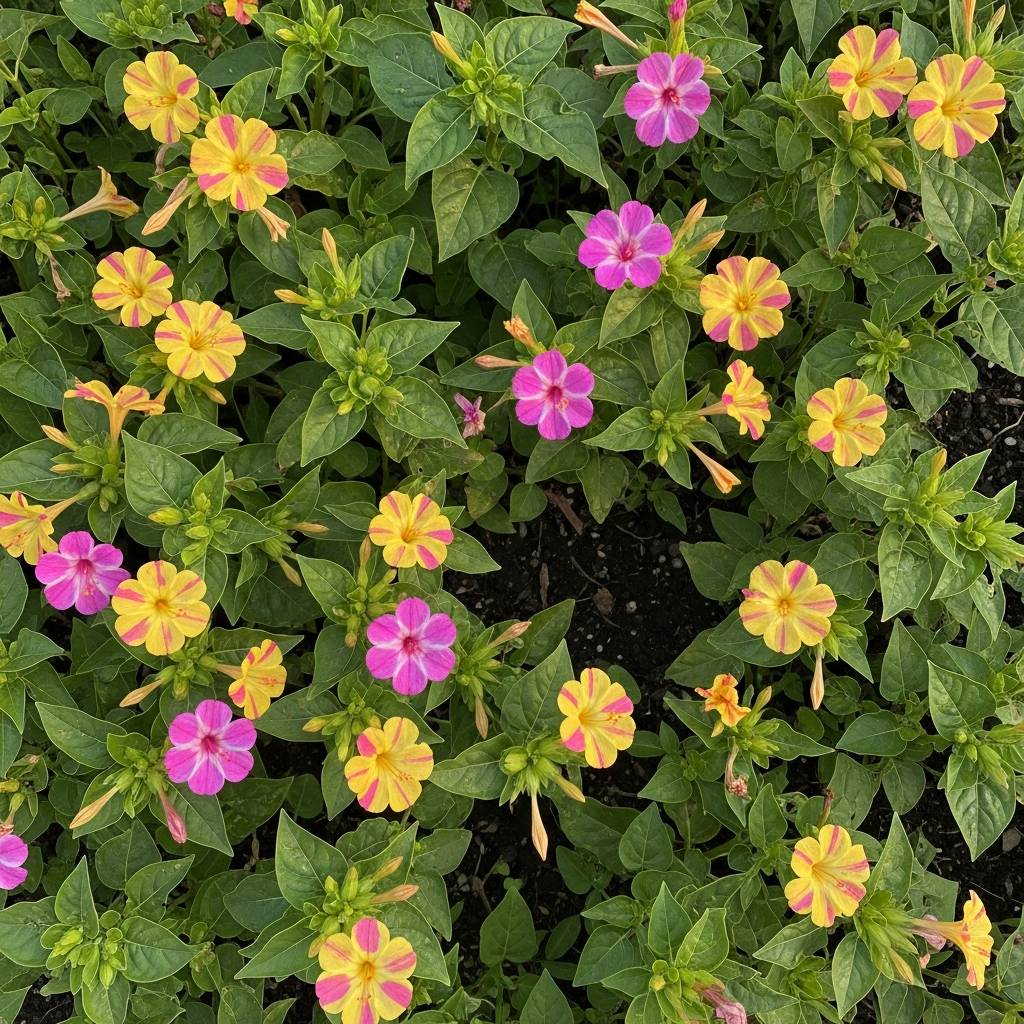
Mirabilis jalapa, or Four O’Clocks, are the perfect bridge between day and night. They typically open in the late afternoon and stay open until morning. These plants come in vibrant shades of pink, yellow, and white, often on the same plant. For a DIY gardening hack, plant the tuberous roots in the spring after the last frost. They love full sun but appreciate a bit of afternoon shade. They produce a spicy, sweet scent that is particularly noticeable on warm summer evenings. They are great for filling in gaps in your borders because they grow into bushy, lush mounds very quickly.
5. The Elegant Tuberose
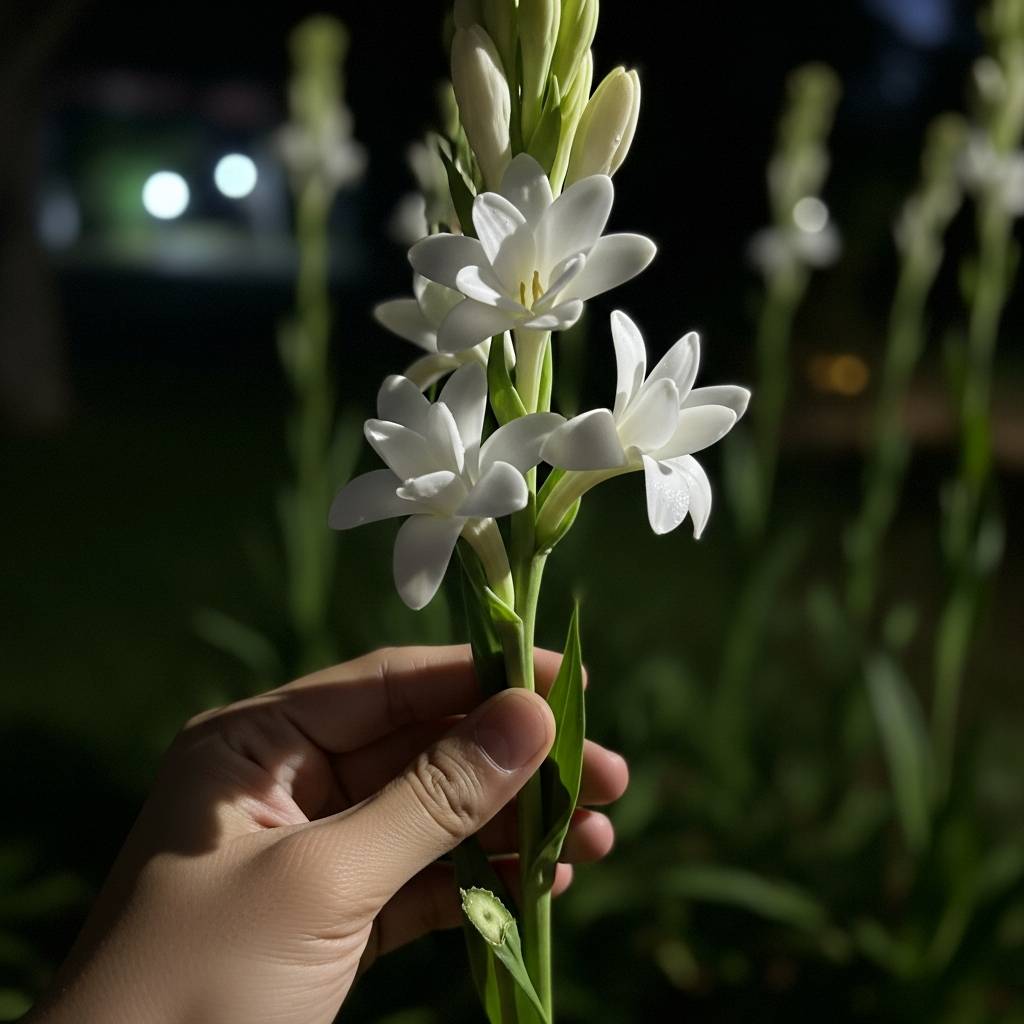
Polianthes tuberosa is a favorite for cut flower arrangements because of its heavy, honey-like fragrance. To grow these at home, plant the bulbs in a sunny spot with rich soil. They require a bit of patience, as they love heat and take their time to sprout. Once they bloom, the tall spikes of waxy white flowers are unmistakable. For a DIY project, harvest a few stems just as the bottom florets begin to open and place them in a simple glass vase inside your bedroom. The scent is so powerful it will act as a natural room freshener throughout the night.
6. Queen of the Night Cactus
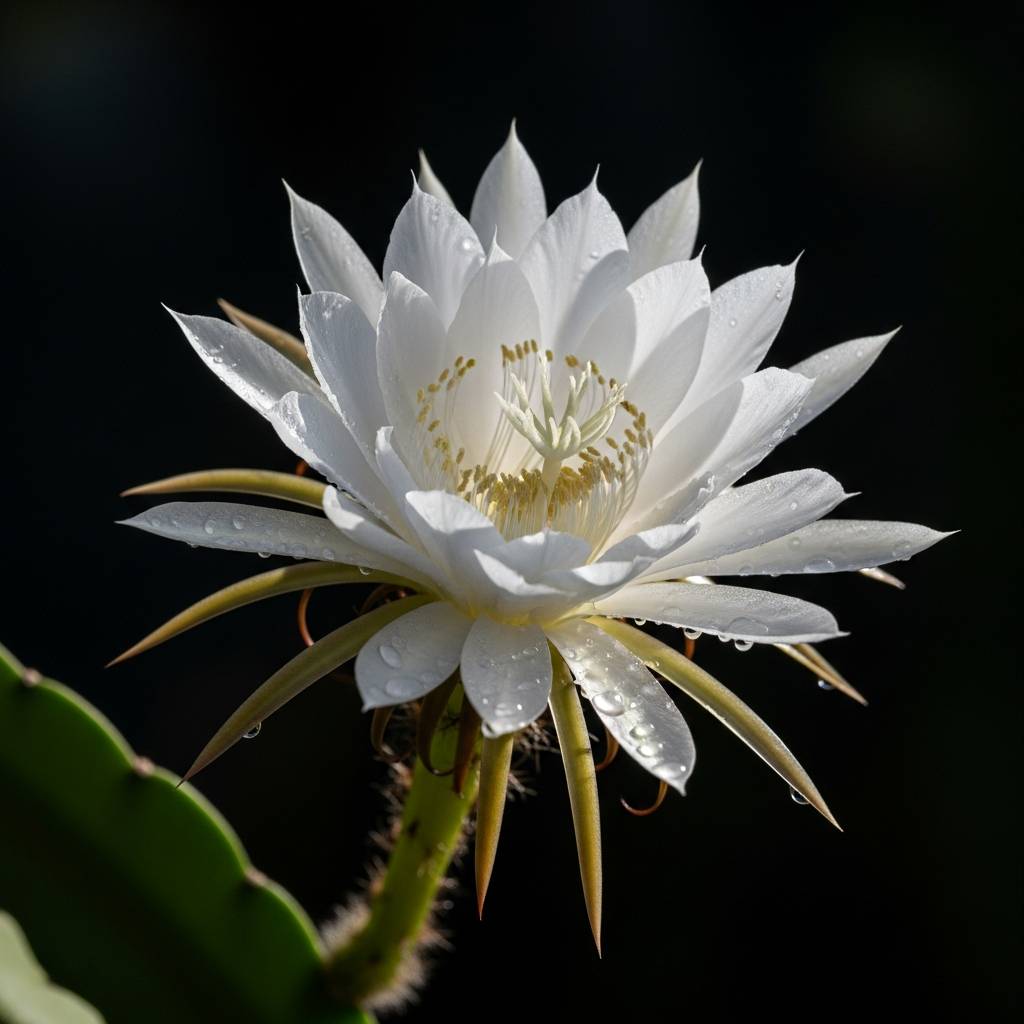
The Epiphyllum oxypetalum is a legendary cactus that blooms for only one night a year. This makes it a prized possession for many gardeners. To care for this ‘Queen,’ keep it in a pot with cactus mix and provide bright, indirect light. It is an epiphytic plant, meaning it naturally grows on trees, so it likes a bit more humidity than desert cacti. When the massive, intricate white buds begin to swell and turn upward, stay awake! The bloom starts around 8 PM and is fully open by midnight. It is a true DIY event to host a ‘blooming party’ for friends to witness this rare spectacle.
7. Fragrant Flowering Tobacco
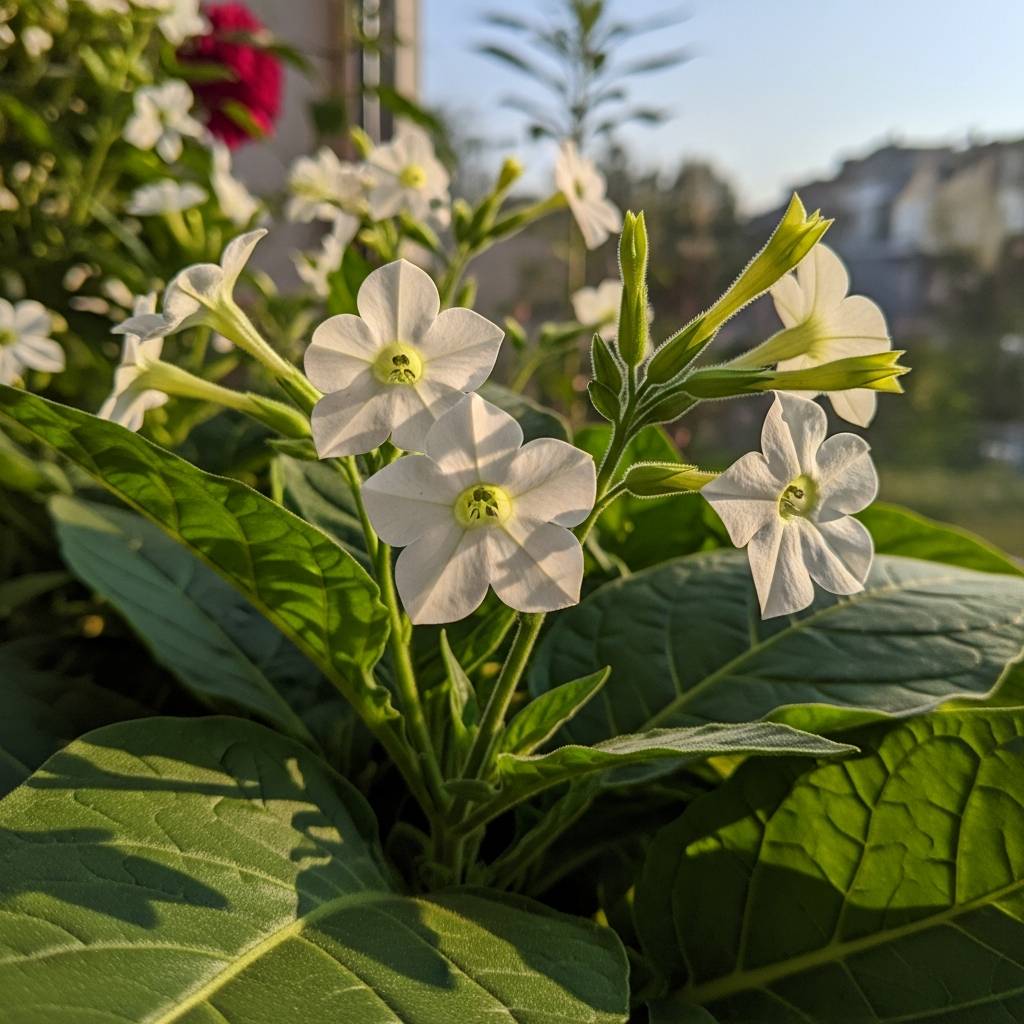
Nicotiana alata is a fantastic addition to the middle of your flower beds. The star-shaped flowers come in white, lime green, and soft pinks. The white varieties are the most fragrant and visible in the moonlight. Plant them in clusters for the best visual and olfactory impact. They prefer moist soil and partial shade. A great DIY tip is to plant them near your outdoor seating area or under a bedroom window. Their scent becomes much more intense as the air cools, providing a relaxing backdrop for late-night reading or meditation in the garden.
8. Mock Orange for Spring Evenings
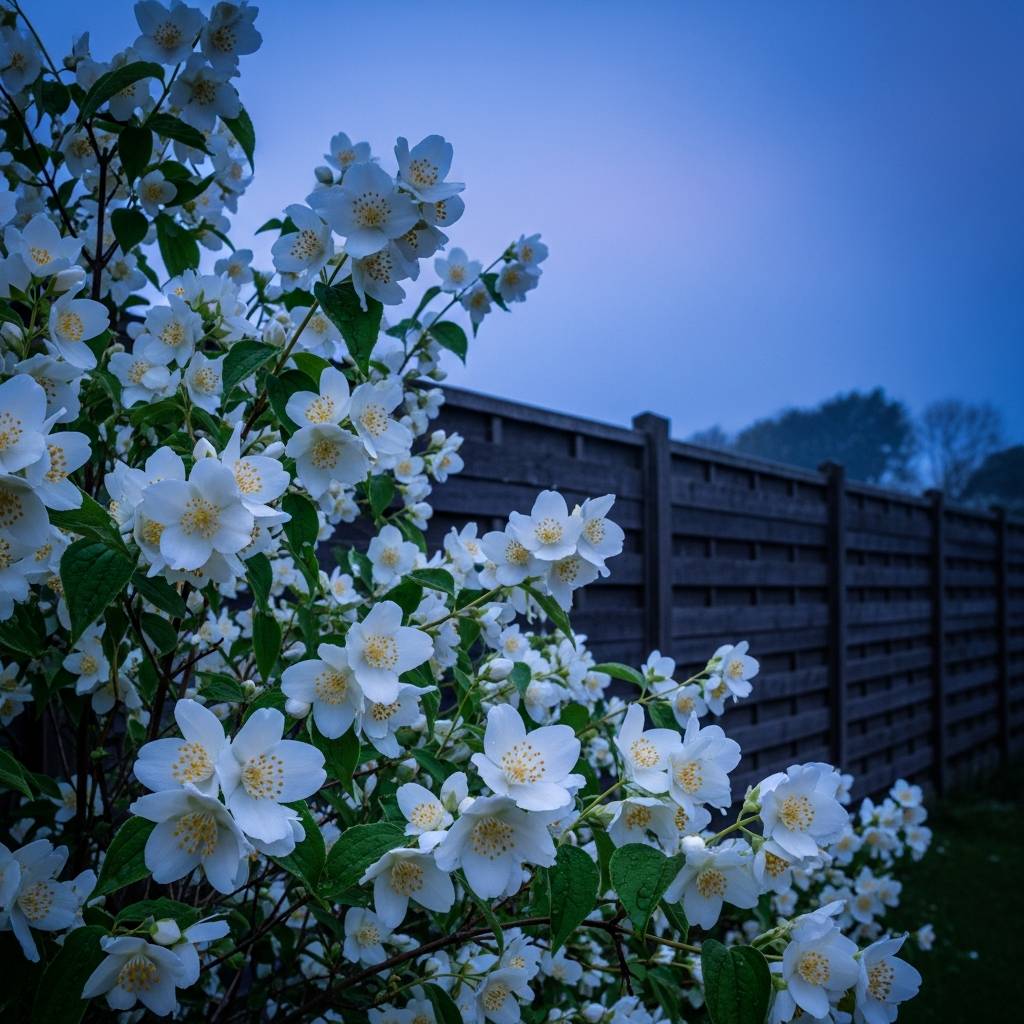
If you want a night-scented shrub, Philadelphus (Mock Orange) is a classic choice. In late spring and early summer, it produces masses of white flowers that smell exactly like citrus blossoms. To keep it healthy, prune it immediately after flowering to shape the bush and encourage new wood for next year’s blooms. It’s a hardy plant that works well as a privacy screen. For a DIY moon garden design, use the Mock Orange as a backdrop for smaller white perennials. Its bright white flowers will reflect any light, creating a wall of brightness in the dark.
9. Night Phlox ‘Midnight Candy’

Zaluzianskya ovata, also known as Night Phlox or ‘Midnight Candy,’ is a small but mighty plant. During the day, the buds are tucked away and look like simple maroon-colored balls. But as night falls, they open into white pinwheels that smell like a mix of honey, vanilla, and almond. Because they are small, they are perfect for DIY rock gardens or the edges of raised beds. They need well-drained soil and full sun during the day to bloom well at night. Place them at eye level in hanging baskets or tall planters to truly appreciate their unique ‘candy’ scent.
10. Casablanca Lilies for Starry Nights
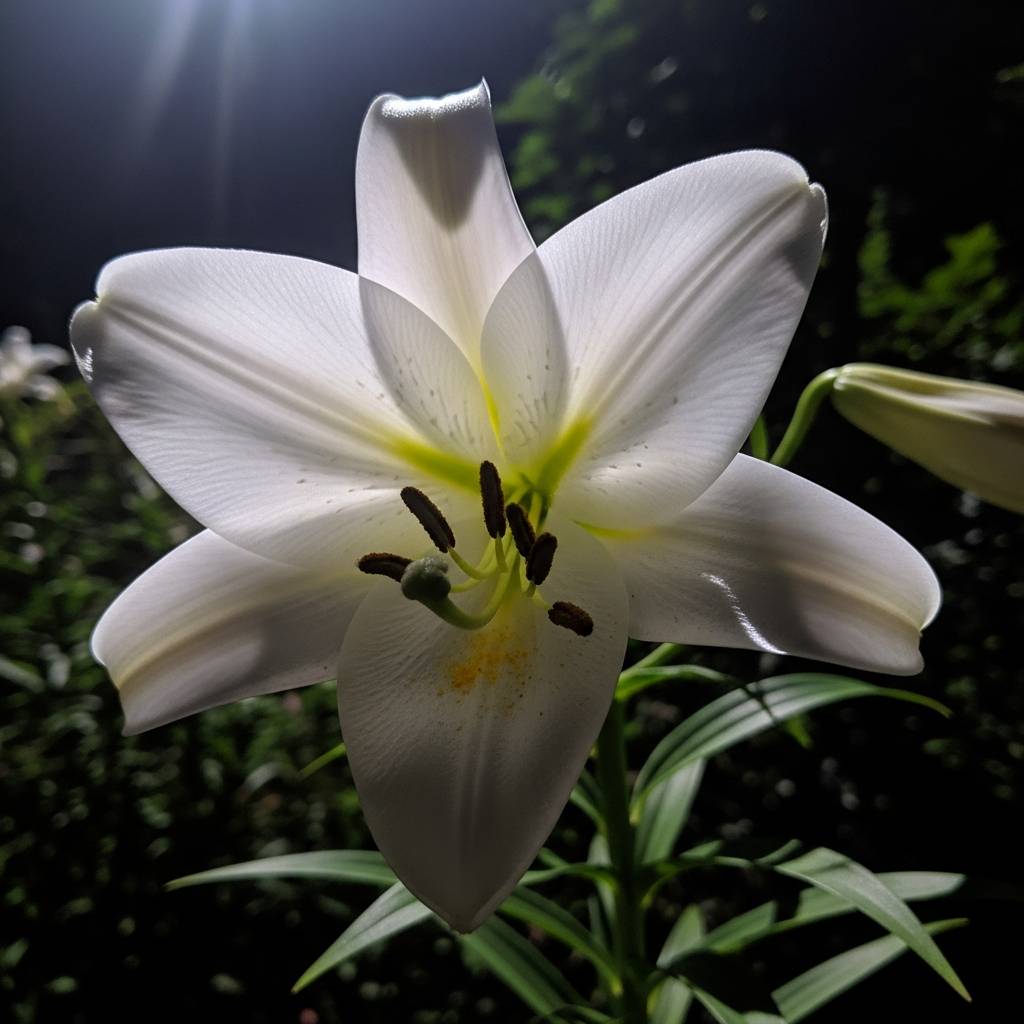
The Casablanca Lily is the gold standard for white lilies. These massive, pure white blooms have a regal appearance and an intense fragrance that carries easily on a night breeze. For successful DIY planting, place the bulbs in the fall about 6 inches deep in a spot where the ‘head’ is in the sun but the ‘feet’ (roots) are shaded by other plants or mulch. They bloom in mid to late summer. Their large size makes them a perfect focal point for a moon garden, acting as ‘floral lanterns’ that guide your path through the dark backyard.
11. Designing a Cohesive Moon Garden

Beyond just choosing flowers, a DIY moon garden is about the overall design. Integrate silver-foliaged plants like Lamb’s Ear or Dusty Miller to complement your night blooming flowers. These plants reflect moonlight even when nothing is in bloom. Add a winding path of light-colored gravel or white stepping stones. This isn’t just for aesthetics; it helps you navigate safely at night without bright artificial lights that might ruin the atmosphere. Consider adding a small water feature; the sound of trickling water combined with the evening fragrance creates a multi-sensory retreat.
12. Brugmansia: The Angel’s Trumpets
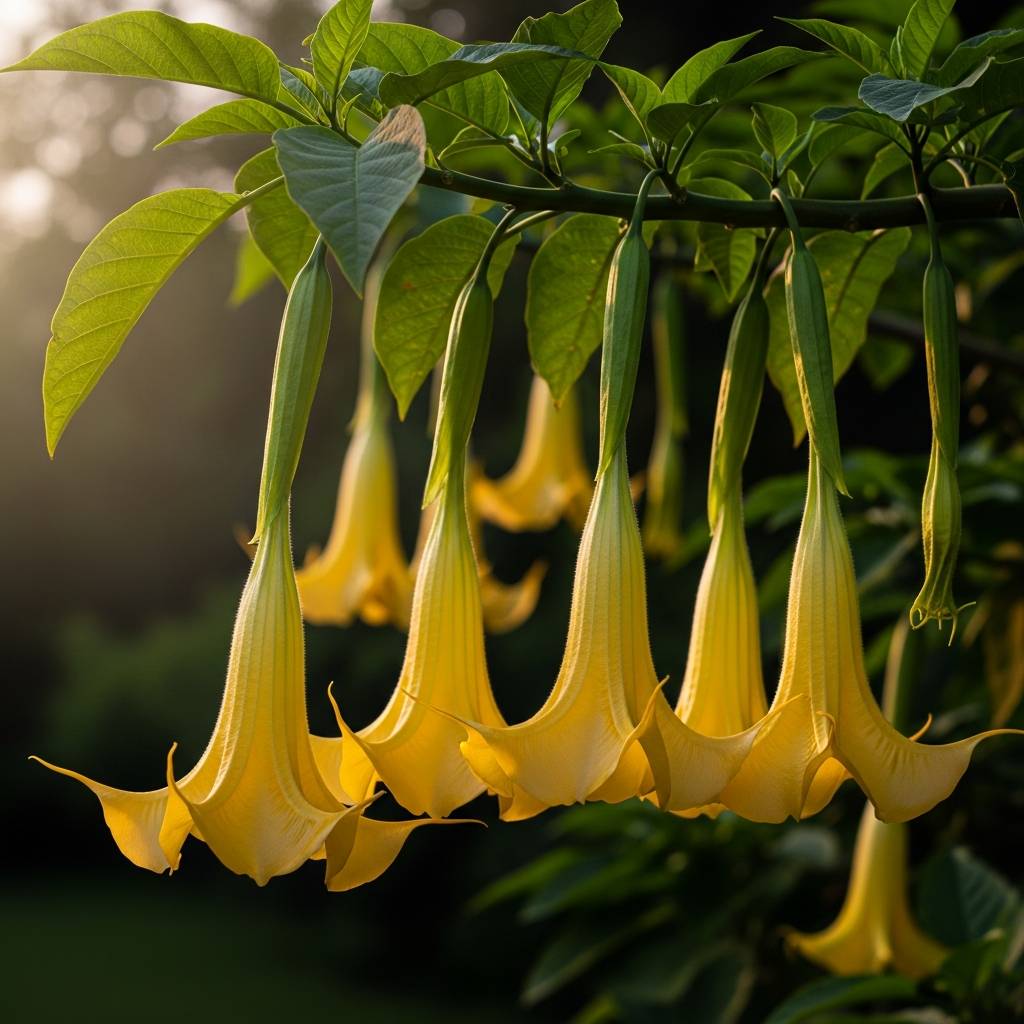
Brugmansia is a showstopper with its massive, pendulous, trumpet-shaped flowers that can reach up to 12 inches long. In the evening, they release a heavy, tropical scent. Because they are tropical, in cooler climates, you should treat them as DIY container plants that you bring indoors for the winter. They are heavy feeders and need plenty of water and fertilizer during the growing season. A word of caution: all parts of the plant are toxic, so place them in areas where pets and children won’t disturb them. They create a dramatic, exotic look that is unmatched for evening impact.
13. Night-Blooming Water Lilies
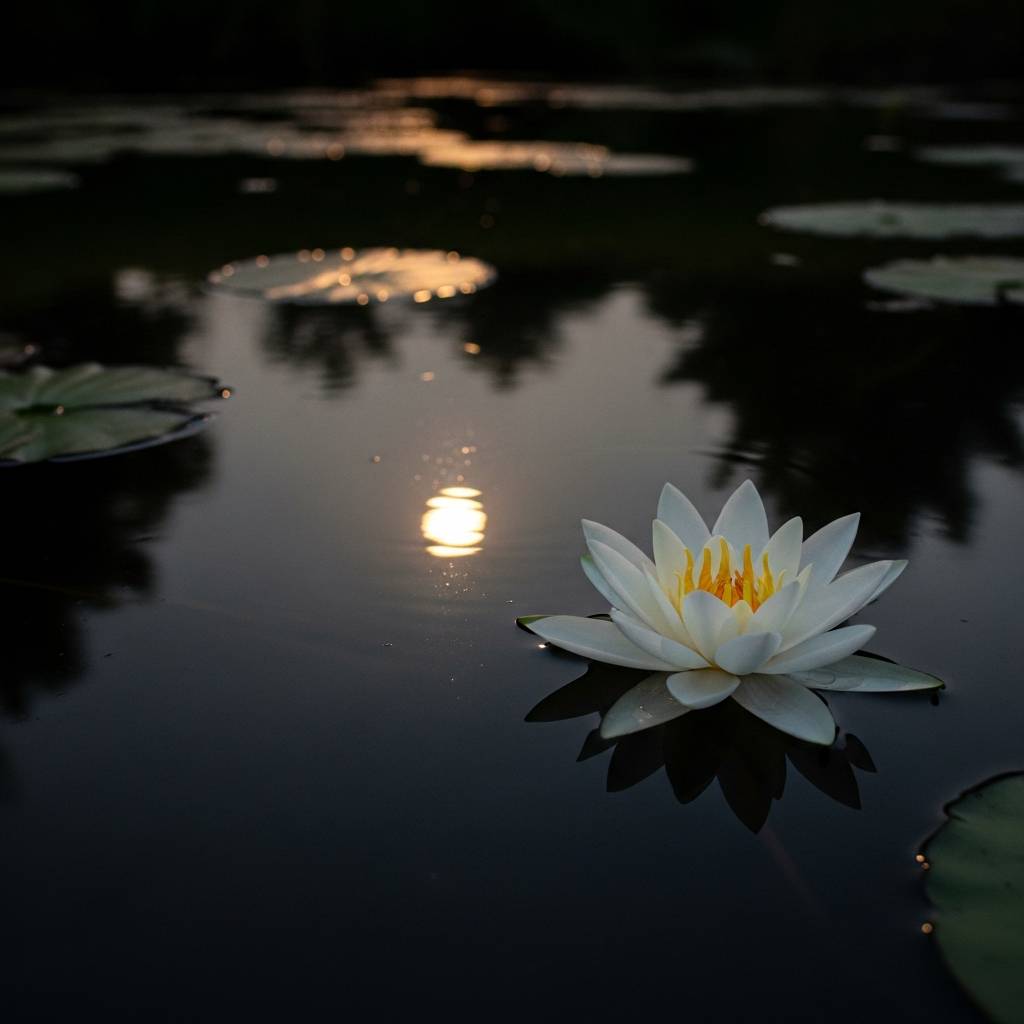
If you have a pond or a DIY container water garden, night-blooming water lilies (Nymphaea) are a must. Unlike hardy lilies that close at night, these tropical varieties open at dusk and stay open until nearly mid-morning. They come in stunning shades of electric blue, deep red, and pure white. They require a water temperature of at least 70 degrees Fahrenheit to thrive. Planting them in submerged pots makes it easier to manage their growth. Watching a lily pad transform as a giant flower emerges from the dark water under the stars is a truly magical experience.
14. Dragon Fruit Flowers: The Edible Night Bloom
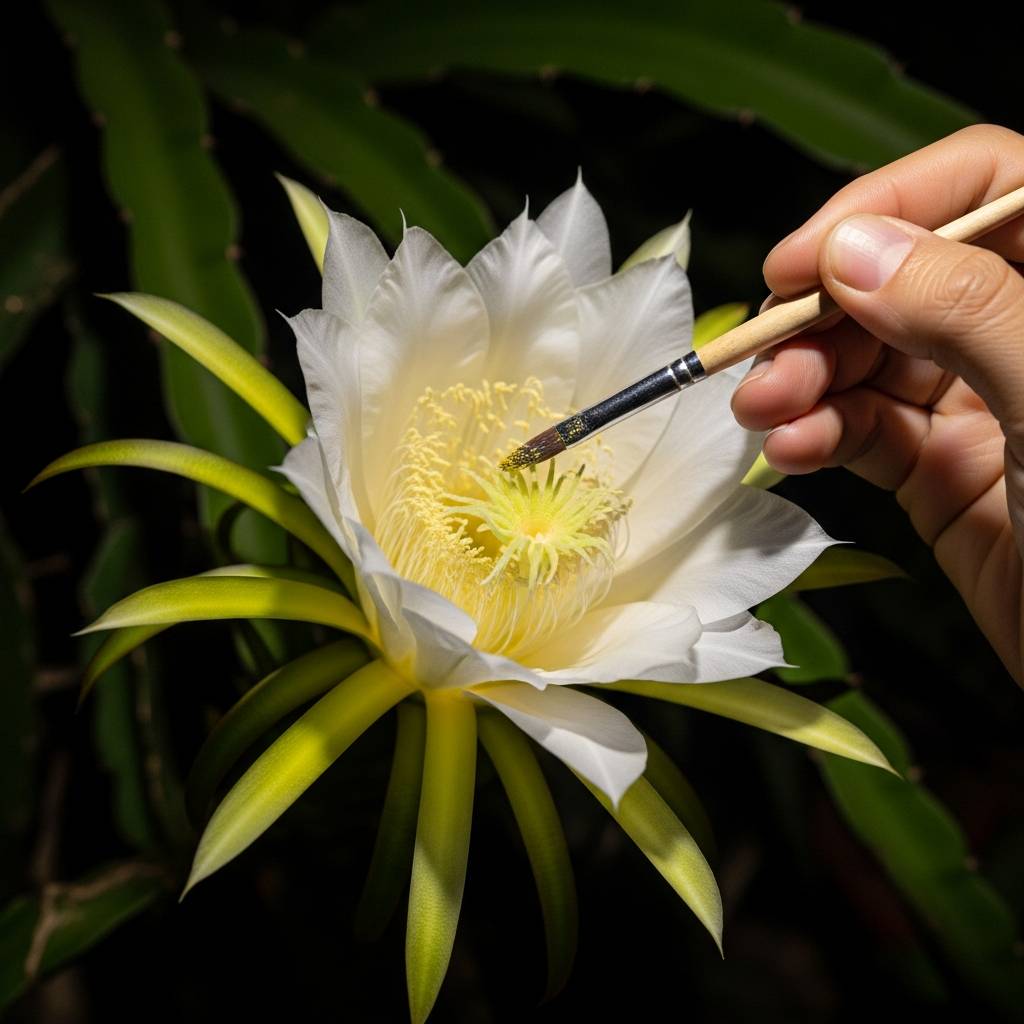
Hylocereus undatus, the plant that produces Dragon Fruit, has one of the most spectacular flowers in the world. These blooms are huge, white, and only open for one night. If you live in a warm climate, you can grow these on a DIY sturdy post or trellis. If you want fruit, you might need to go out at night with a paintbrush and hand-pollinate the flowers since their natural pollinators (bats and moths) might not be present. It’s a fun, active way to engage with your garden at night while ensuring a delicious harvest later in the season.
15. Night Scented Stock for Vintage Vibes
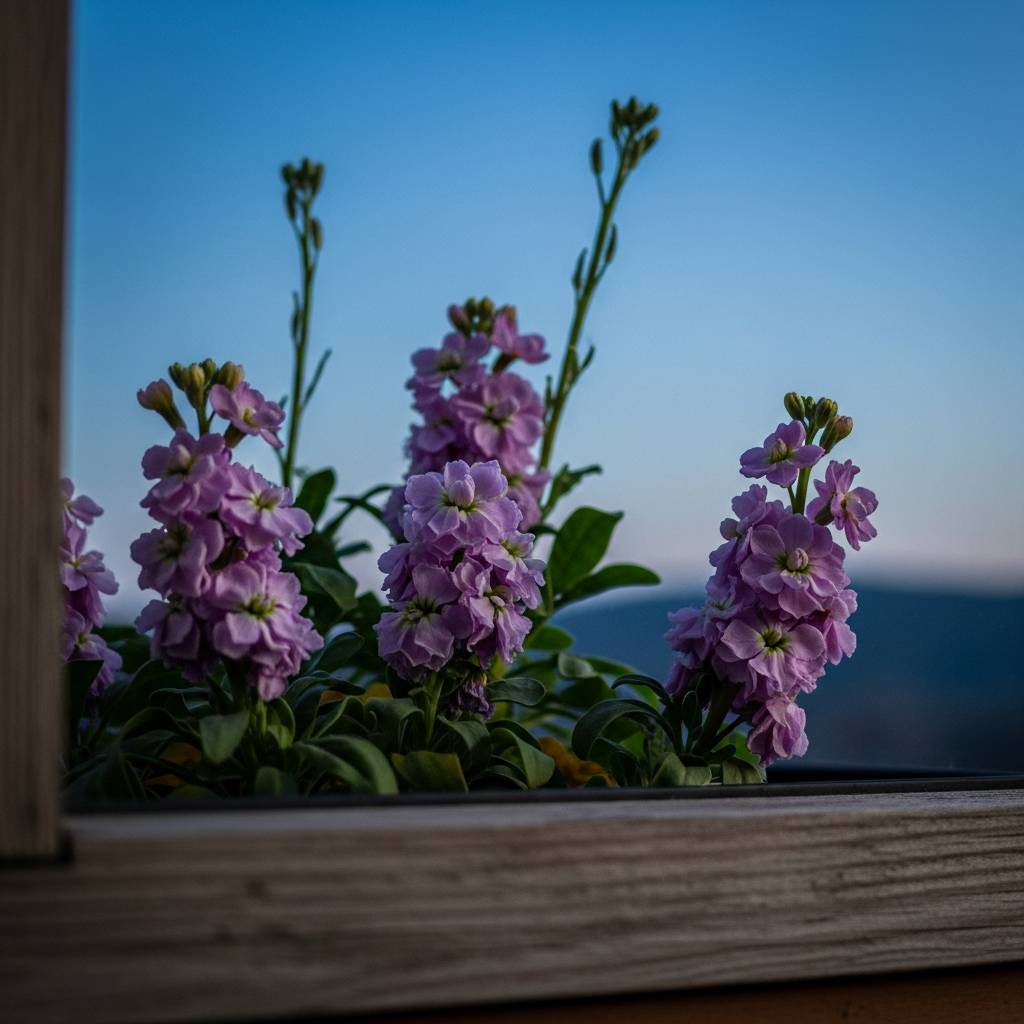
Matthiola longipetala, or Night Scented Stock, is an old-fashioned favorite. During the day, the flowers look somewhat wilted and unimpressive, but don’t be fooled. Once the sun sets, they perk up and release a fragrance that is often compared to cloves and vanilla. This is a great DIY seed project for beginners—simply sow them directly into the soil in early spring. They are perfect for filling in the front of borders or in window boxes. Their lilac-colored blooms are subtle, so they work best when planted in large groups to create a ‘cloud’ of fragrance around your home.