
15 Fairy Doors on Trees to Make Your Garden Truly Magical


Have you ever wandered through a lush garden and felt as though a tiny, magical world was hidden just beneath the leaves? Integrating fairy doors on trees is one of the most charming ways to invite a sense of wonder and whimsy into your outdoor living space. These miniature portals act as gateways to the imagination, turning a simple backyard into a storybook landscape that captivates anyone who visits.
Whether you are looking to create a playful area for children or simply want to add a touch of fantasy to your landscaping, fairy doors offer endless creative possibilities. From rustic wooden designs to elaborate stone-encrusted entries, these small details make a massive impact on the overall atmosphere of your garden. In this guide, we will explore fifteen unique ideas to help you choose the perfect fairy door style for your specific trees and garden aesthetic.
1. The Rustic Redwood Entrance
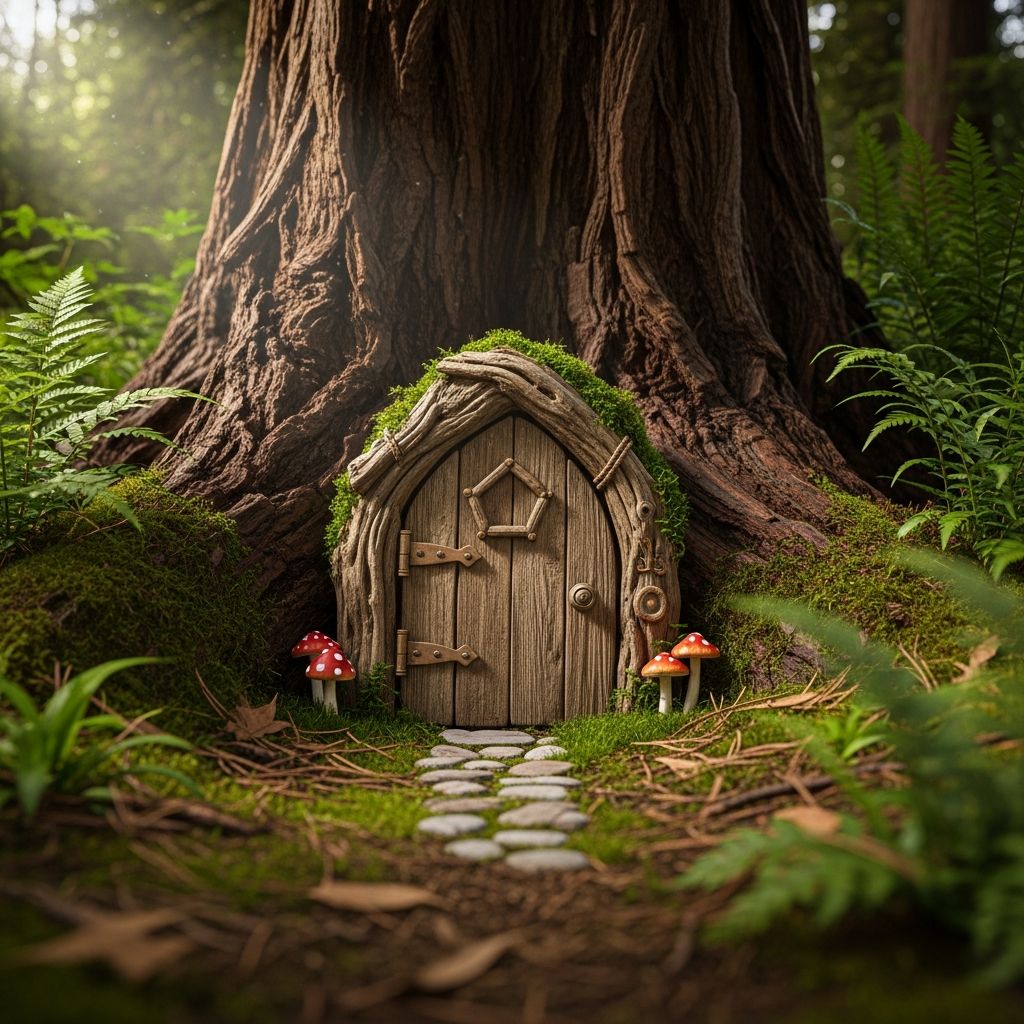
For a natural and weathered look, a rustic redwood door is the perfect choice. This design focuses on using reclaimed wood with visible grains and a slightly distressed finish to blend seamlessly with the bark of a cedar or redwood tree. Adding a small piece of preserved moss around the edges helps the door look like it has been part of the tree for centuries. It creates an organic feel that doesn’t look out of place in a wilder, less manicured part of the garden.
2. The Classic Round Hobbit Portal
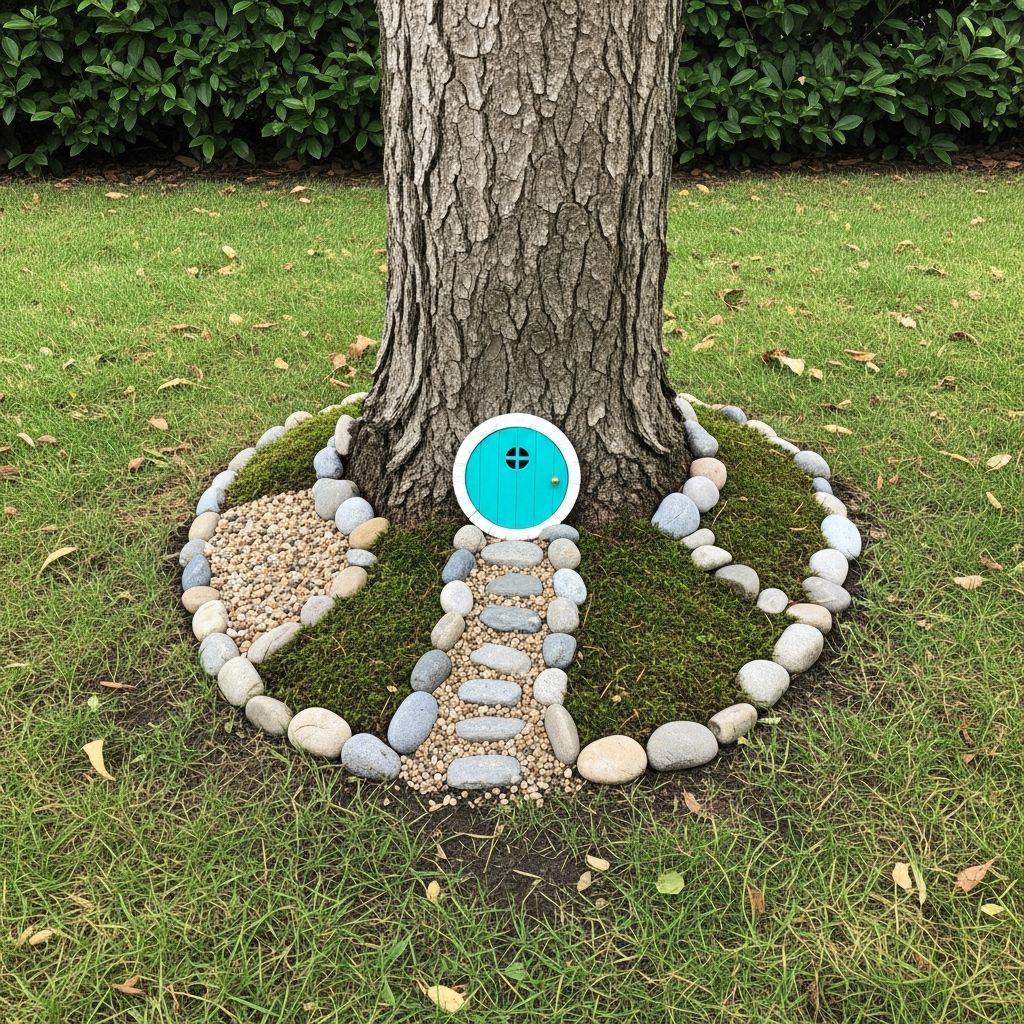
Inspired by fantasy literature, the round fairy door is a timeless favorite. Painted in a bright, inviting color like teal or deep red, this circular door features a central brass knob and a stone-effect frame. It works exceptionally well on trees with wide, flat trunks where the round shape can be clearly defined. Surround the base with tiny pebbles to create a miniature porch that invites the imagination to wonder who might live inside.
3. The Enchanted Willow Archway

If you have a tree with low-hanging branches like a willow, consider an archway-style fairy door. This design uses flexible twigs and vines to create a natural arch over the door, which is often made of lighter wood or even ceramic. The arch can be decorated with tiny silk flowers or dried lavender to add a floral scent and a pop of color. This setup looks particularly beautiful when placed near a water feature or a shaded pond area.
4. The Mushroom Cap Entryway

Combine the magic of fungi with fairy lore by choosing a door that incorporates mushroom motifs. The top of the door can be shaped like a red and white toadstool, providing a little roof for the fairy inhabitants. This style is incredibly popular for children’s gardens because of its bright, high-contrast colors. It stands out beautifully against dark bark or in shaded areas where real mushrooms might naturally grow, adding a layer of biological realism to the fantasy.
5. The Birch Bark Winter Door

For trees with lighter bark, such as birch or aspen, a white-washed or birch-bark door creates a subtle and elegant look. This design often features silver accents or tiny frosted details to mimic a winter wonderland aesthetic. It is a sophisticated take on the fairy door trend that appeals to those who prefer a more minimalist or monochromatic garden palette. Decorate the surrounding area with white quartz pebbles to complete the clean, ethereal appearance.
6. The Iron-Bound Fortress Door
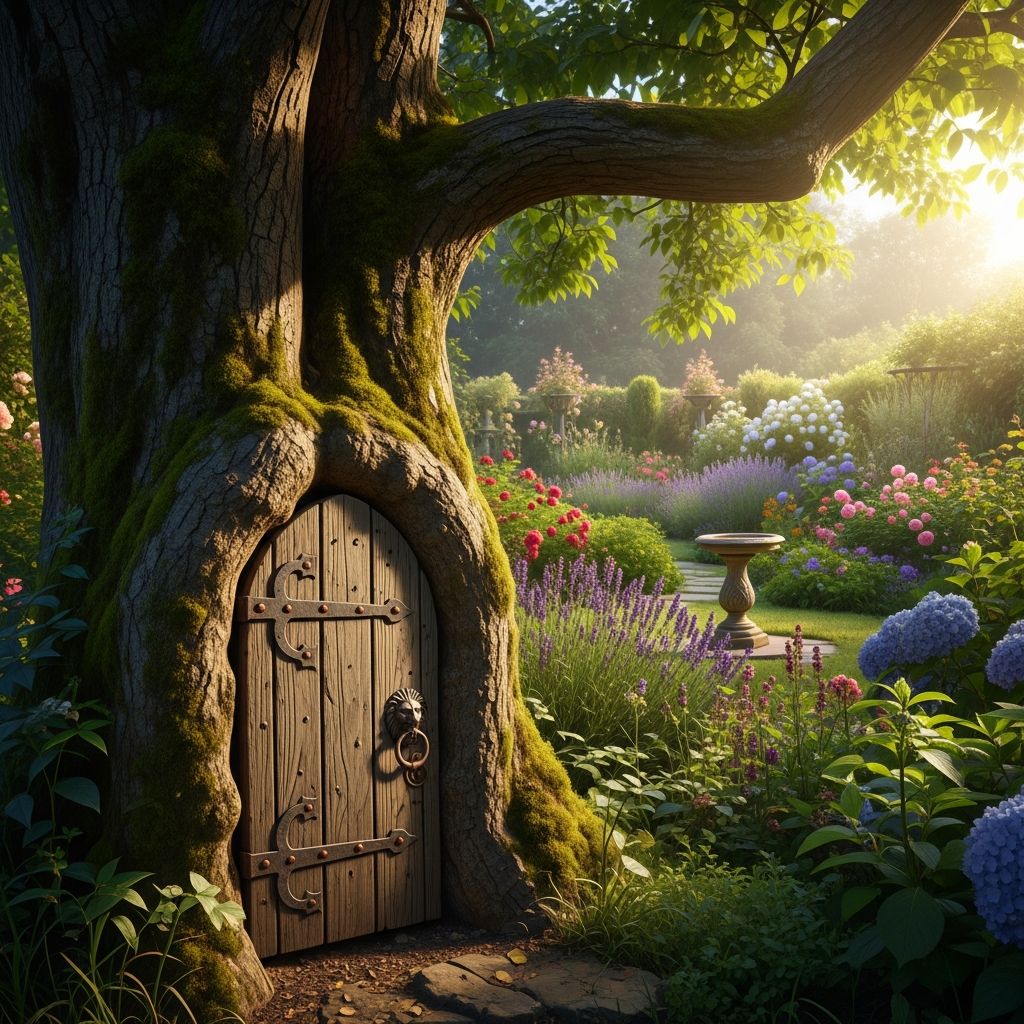
Not all fairies live in soft, floral homes; some might prefer a sturdy, iron-bound fortress. This door style features dark wood slats reinforced with miniature black ‘iron’ bands and large rivets. It gives off a more medieval or protective vibe, perfect for placing on a sturdy, gnarled old tree. You can even add a tiny, functional iron latch or a miniature shield hanging to the side to enhance the storytelling aspect of the installation.
7. The Flowery Trellis Door
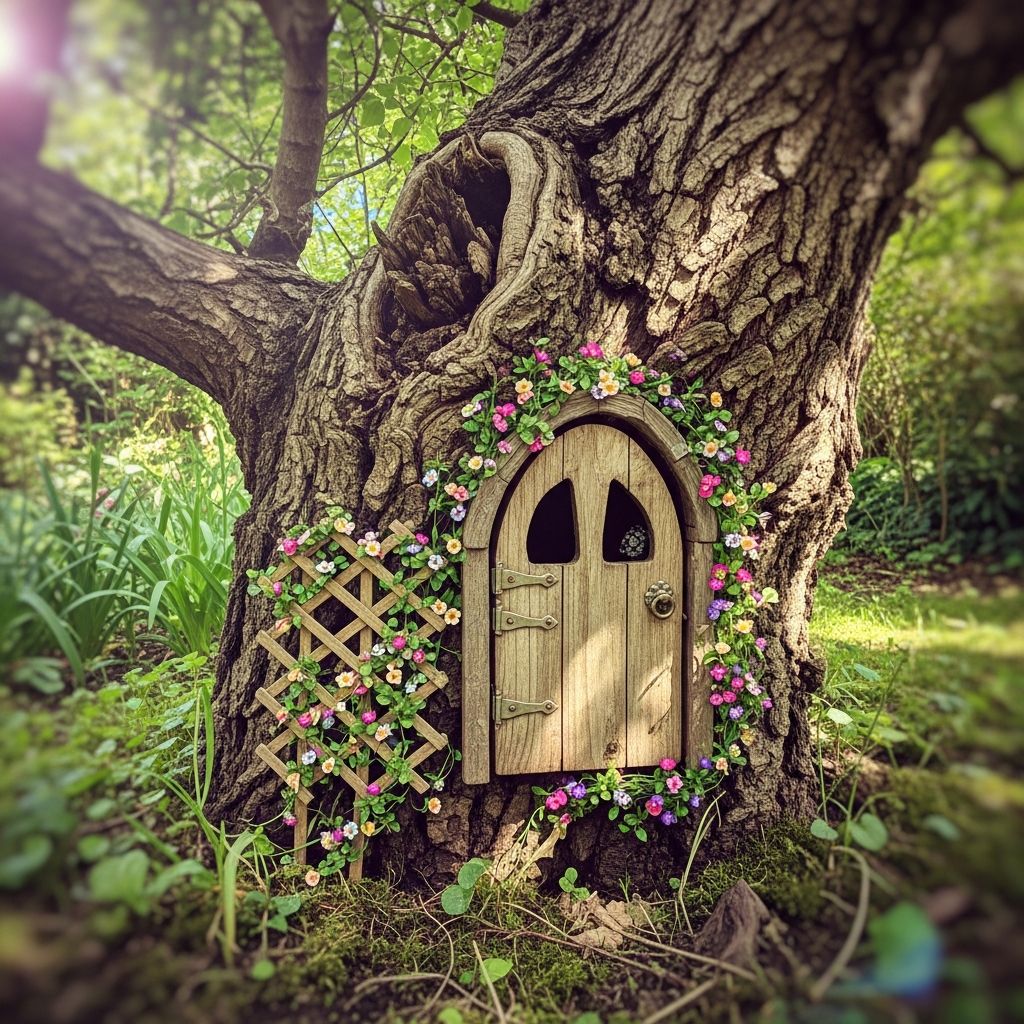
This idea treats the fairy door like a miniature garden project itself. The door is framed by a tiny wooden trellis where real or artificial micro-climbers can grow. Using small succulents at the base or tiny preserved rosebuds creates a lush, botanical entrance. This style is best suited for a sunny spot in the garden where the ‘fairy’s garden’ can mirror the growth of your actual plants, creating a meta-layered garden experience.
8. The Stained Glass Sanctuary
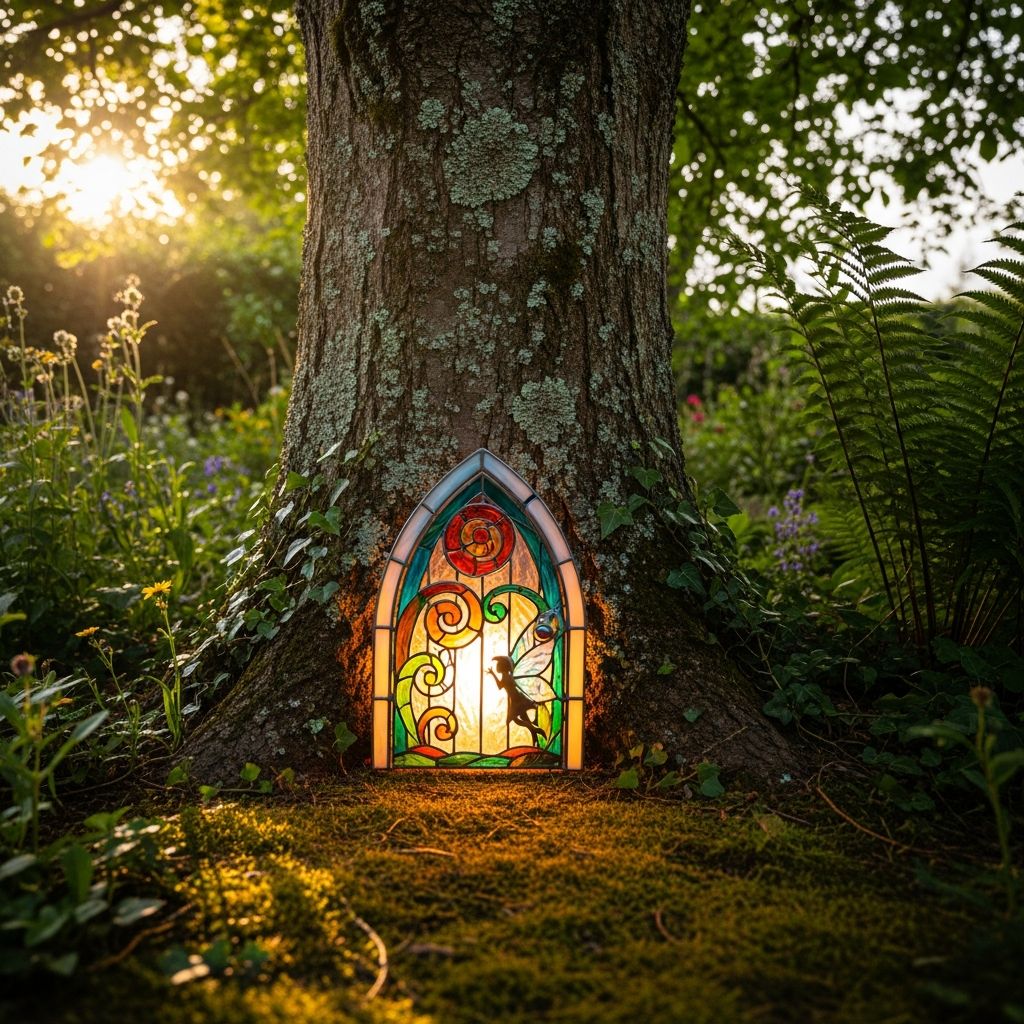
Incorporate light and color by using a fairy door with translucent ‘stained glass’ panels. When the sun hits the tree at the right angle, the panels glow, creating a truly magical effect. These are usually made with colorful resin or treated glass. Placing this door on a tree that receives direct morning or evening light will maximize the visual impact, casting tiny colorful shadows on the ground below, which looks absolutely breathtaking in person.
9. The Spiral Staircase Entrance
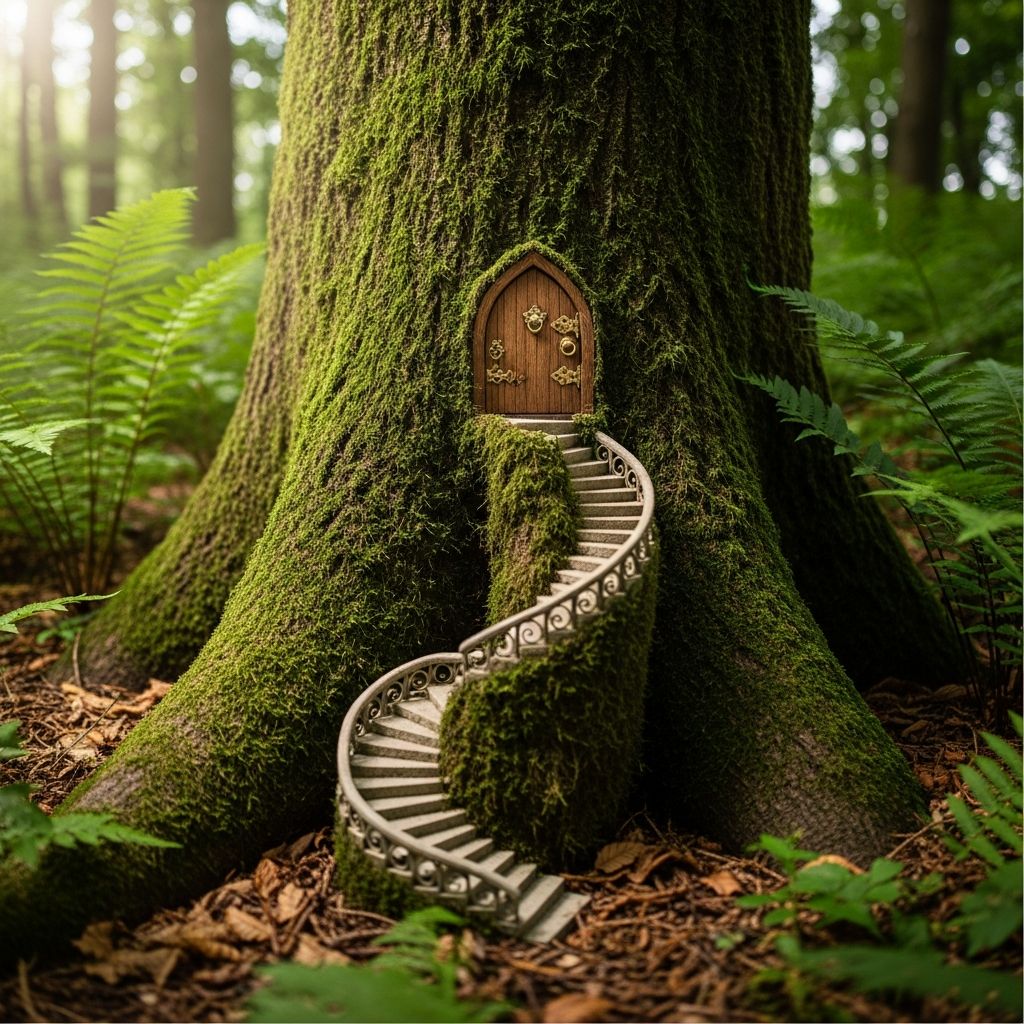
If your tree has a door located slightly higher up the trunk, you can add a winding spiral staircase made of flat stones or small wooden steps leading up to it. This adds vertical interest to your garden decor and makes the fairy house feel more integrated into the tree’s structure. The staircase can be glued directly to the bark using tree-safe adhesive or supported by a small hidden stake in the ground, creating a dynamic 3D scene.
10. The Nautical Driftwood Portal
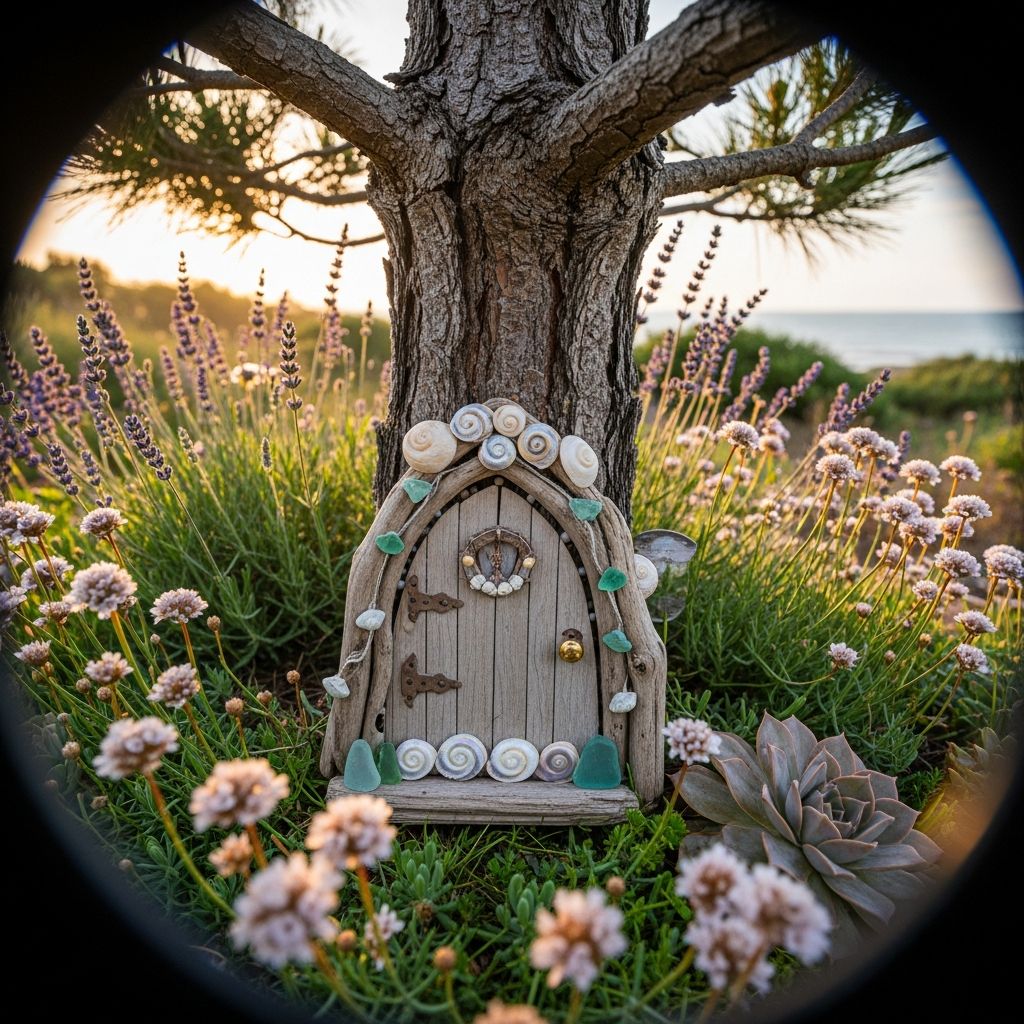
Perfect for coastal gardens or homes with a beachy theme, the driftwood fairy door uses sun-bleached wood and rope accents. Instead of a traditional handle, use a tiny seashell or a piece of sea glass. This style looks wonderful on trees near sandy paths or coastal grasses. It brings a bit of the ocean to your woodland decor, suggesting that perhaps sea-faring fairies have moved inland to take up residence in your backyard.
11. The Glow-in-the-Dark Secret
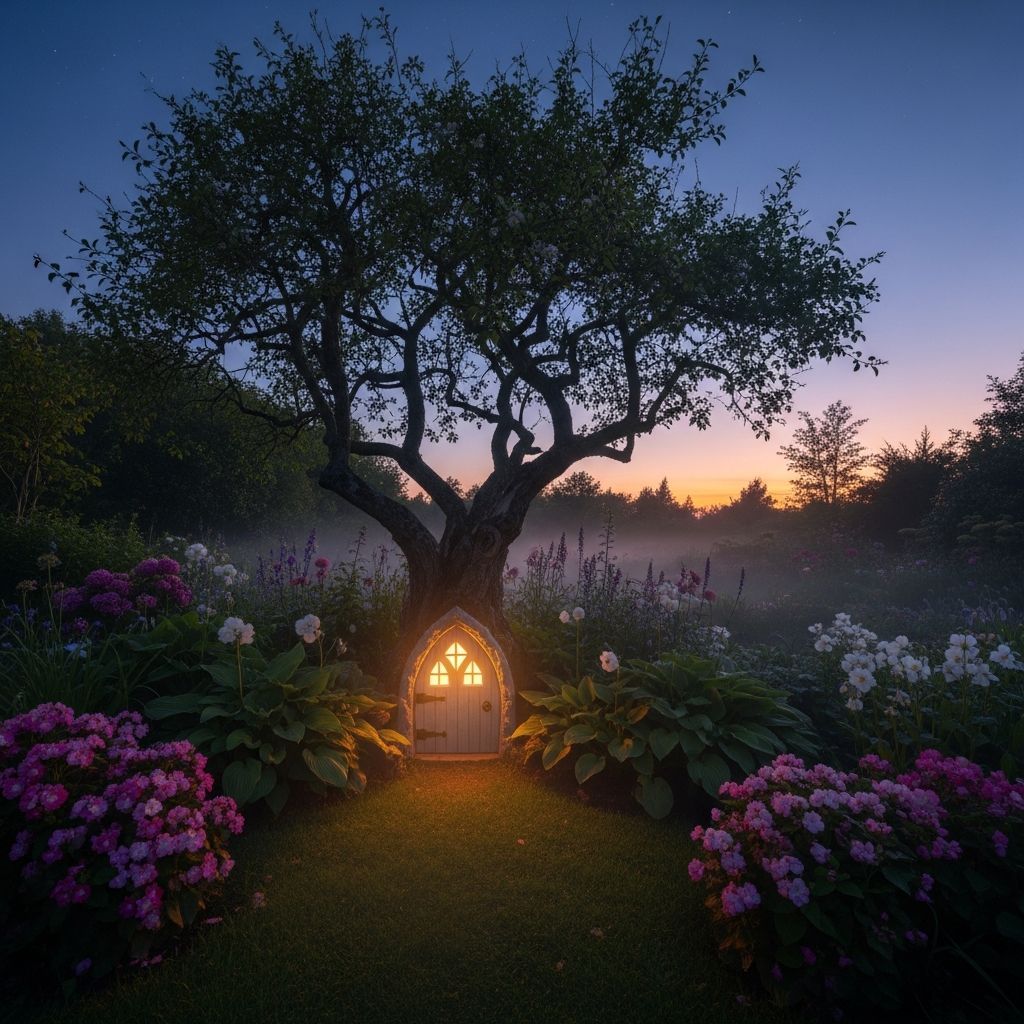
For a magical experience that lasts into the night, use luminescent paint or tiny solar-powered LEDs on the fairy door. You can paint small ‘windows’ that appear to have lights on inside, or trace the doorframe with glow-in-the-dark pigment. During the day, it looks like a standard charming door, but at dusk, it transforms into a glowing beacon that suggests the fairies are home and awake, adding a secondary layer of nighttime beauty to your garden.
12. The Victorian Shingle House
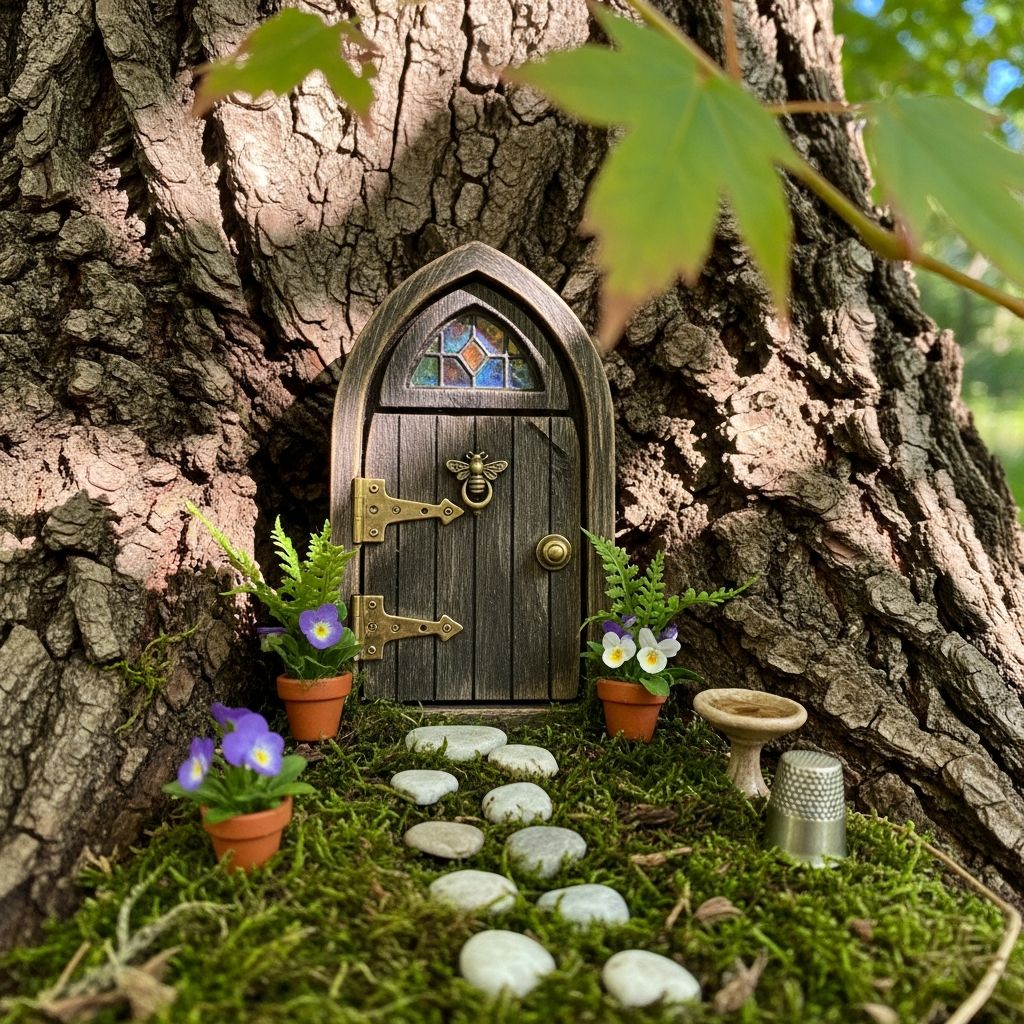
This is a more detailed and architectural approach, featuring a door with a tiny shingled roof overhang and ornate Victorian-style trim. It mimics the look of a grand historic home but in miniature scale. Painted in ‘painted lady’ colors like lavender, cream, and gold, it stands out as a focal point in a well-tended flower bed. It is the ultimate choice for a garden that leans into a romantic or vintage aesthetic.
13. The Tree Hollow Hidden Door

If you are lucky enough to have a tree with a natural hollow or knot, you can set the door deep inside the cavity. This creates a sense of depth and mystery, as the door isn’t immediately visible from all angles. Framing the hollow with bark-textured putty or moss makes the door look like an original part of the tree’s anatomy. It is the most realistic way to implement a fairy door, as it utilizes the tree’s natural features.
14. The Steampunk Copper Entry
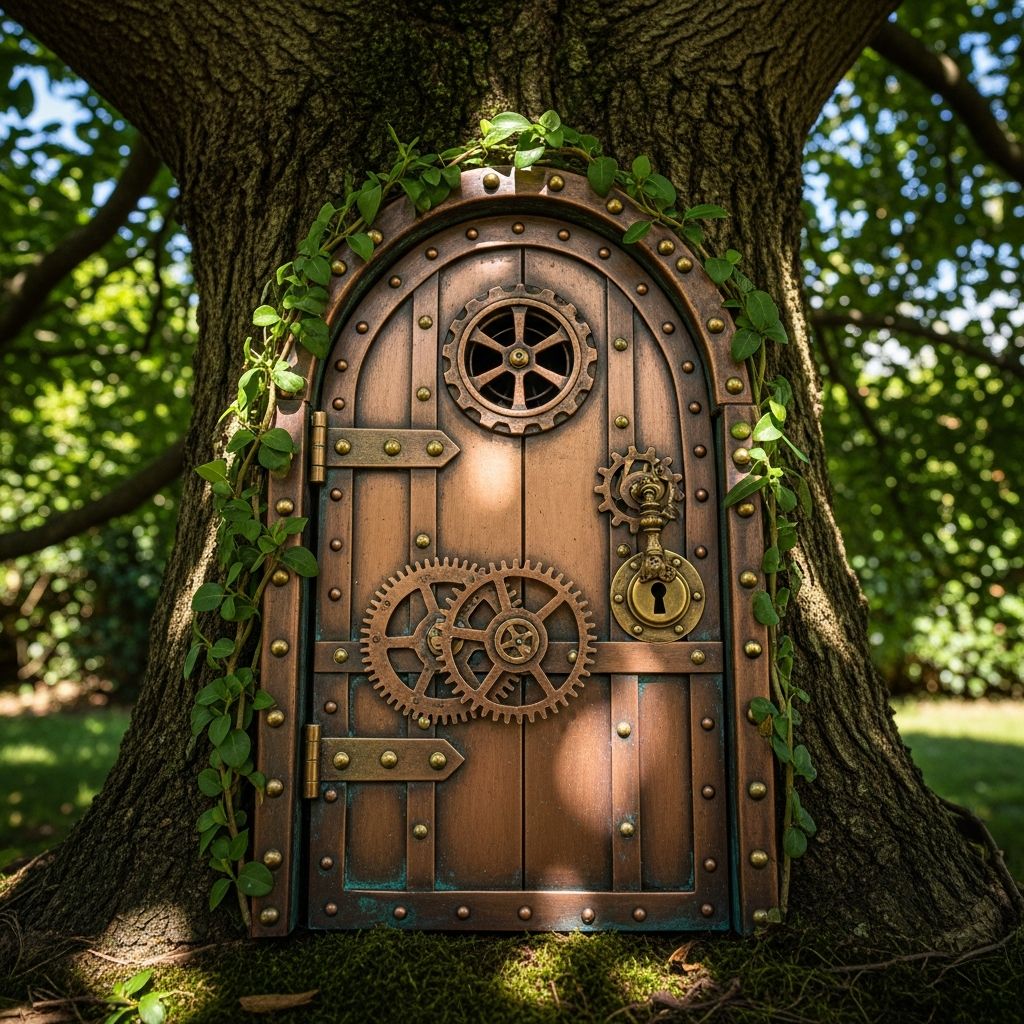
For a modern or industrial twist, use a door made of copper or bronze with tiny gear and pipe accents. This ‘steampunk’ fairy door suggests a world of clockwork magic and miniature machinery. The copper will naturally patina over time, turning a beautiful green that matches the garden’s foliage. It’s a great conversation piece and appeals to those who want something a bit different from the standard wooden fantasy look.
15. The Fairy Mailbox Nook
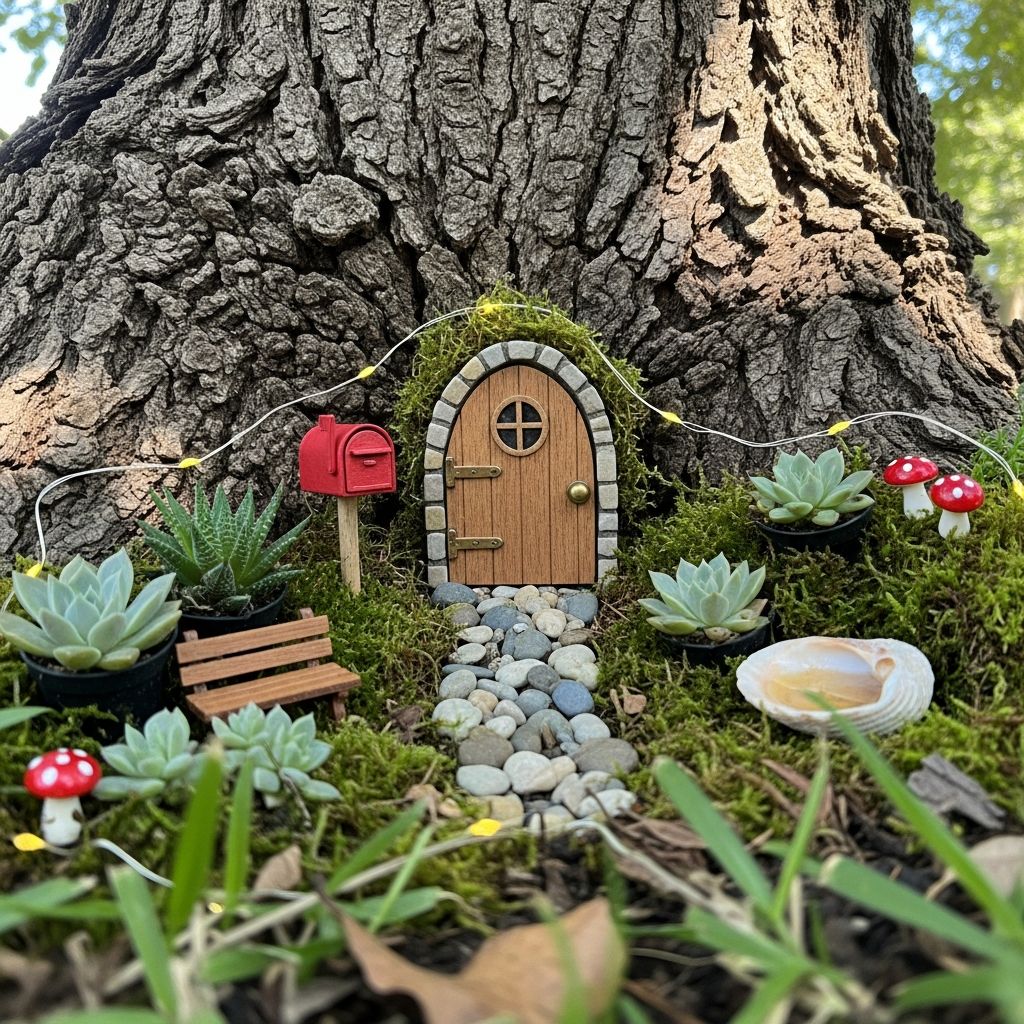
Enhance the interactivity of your fairy door by adding a tiny red mailbox next to it. This isn’t just a door; it’s a whole residence. You can even encourage children to leave tiny ‘letters’ for the fairies. The mailbox adds a touch of domestic realism to the fantasy world and provides an extra element of height and color to the base of the tree. It works best when paired with a simple, friendly wooden door and a small ‘welcome’ mat.