
25 Dreamy Cottage Garden Path Ideas for a Whimsical Walkway


There is something truly magical about a winding path that leads you through a sea of blooming flowers and fragrant herbs. A cottage garden path isn’t just a functional walkway; it’s an invitation to slow down and appreciate the natural beauty of your surroundings. Whether you have a sprawling backyard or a tiny garden plot, the right path can define the space and add a layer of personality that makes your home feel like a sanctuary.
Whether you prefer the rustic charm of weathered stone or the classic look of reclaimed brick, these design ideas will help you create a soulful landscape. We have gathered a collection of styles that range from eco-friendly recycled materials to traditional English garden aesthetics. Let’s dive into these 25 inspirations that will make your garden feel like a page out of a fairy tale, focusing on wide-angle perspectives and real-home environments.
1. Weathered Flagstone Path
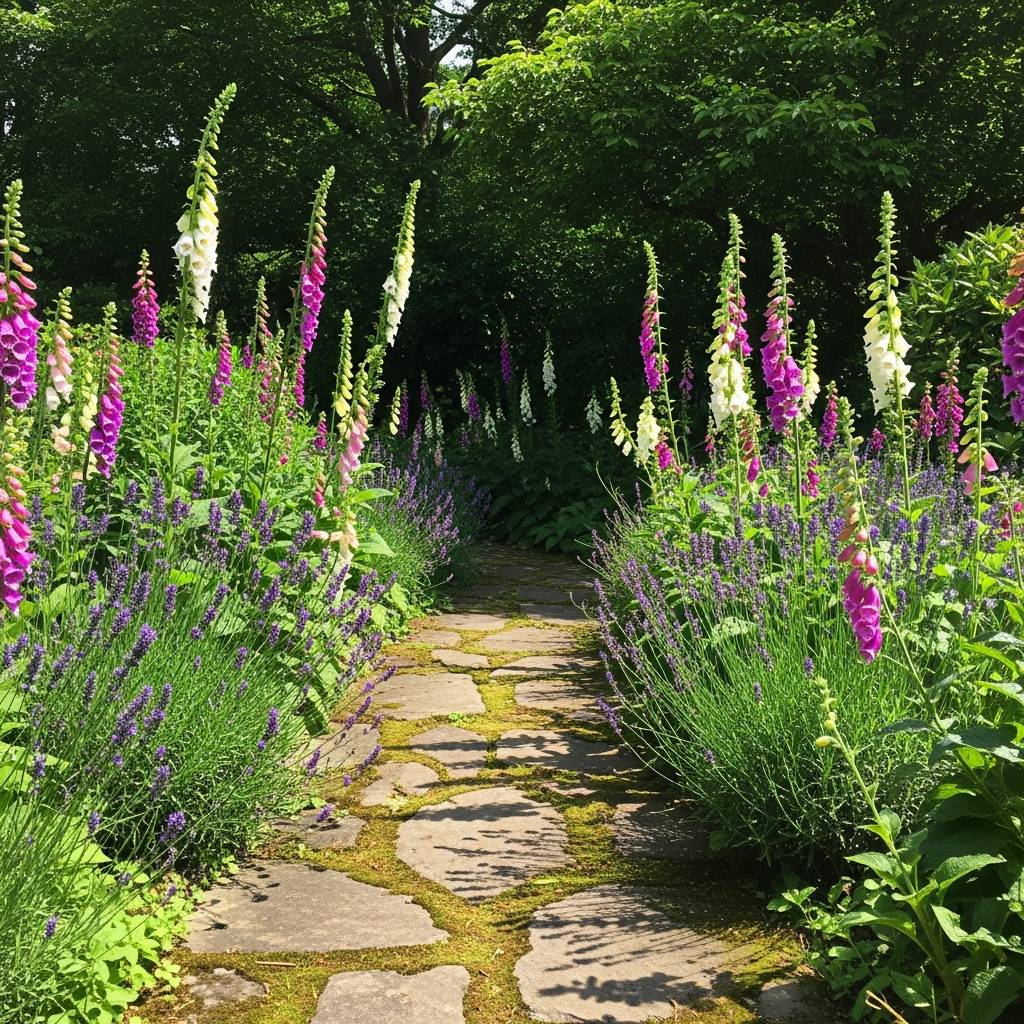
Flagstone paths are the quintessence of the cottage style, offering a rugged yet inviting surface that feels grounded and permanent. By selecting stones with varying shapes and earthy tones, you can create a mosaic-like walkway that mirrors the organic growth of the surrounding flora. For a truly established look, encourage moss or tiny succulents like sedum to grow in the crevices, which not only looks beautiful but also helps to suppress weeds.
2. Old Red Brick Herringbone
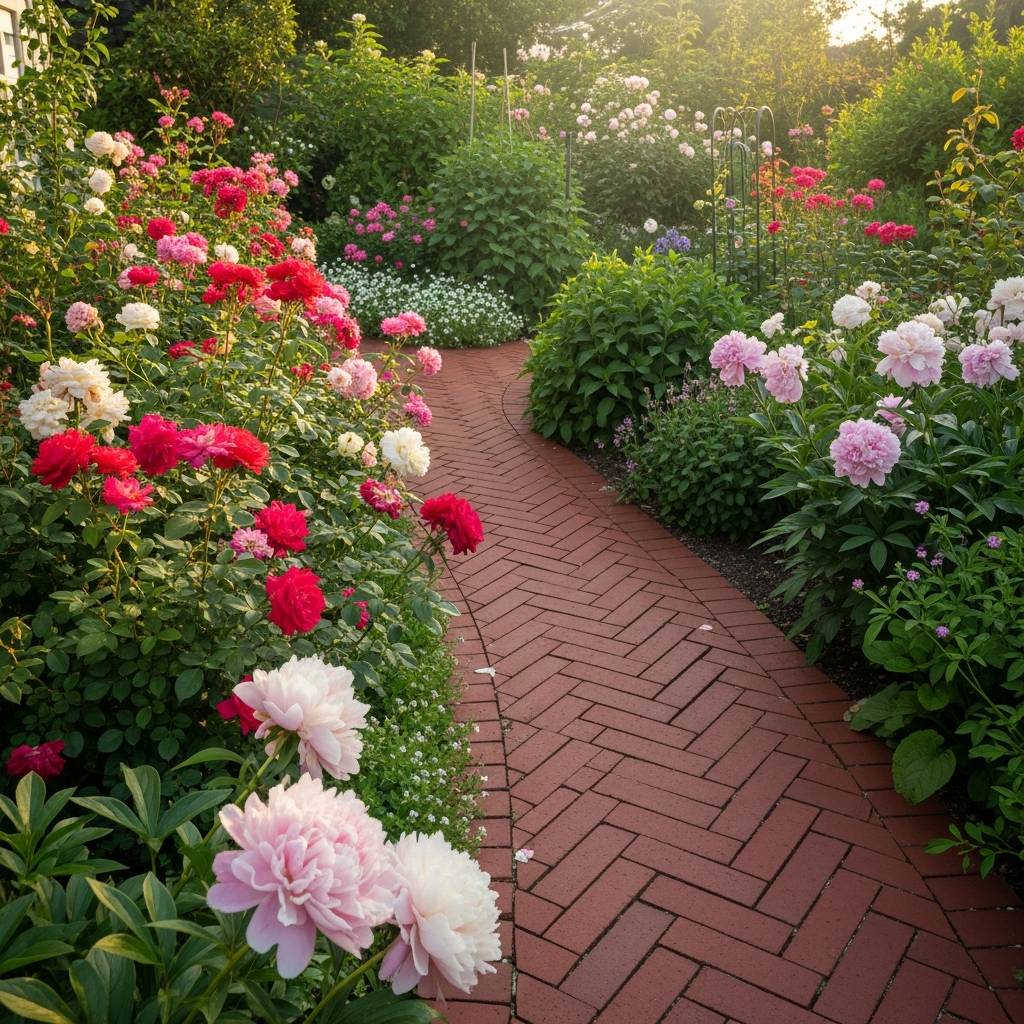
Reclaimed red bricks laid in a classic herringbone pattern provide a sense of structure within the wildness of a cottage garden. The warm tones of the brick contrast beautifully with the vibrant greens and pastel pinks of roses and peonies. This pattern is not only visually striking but also very durable, making it ideal for high-traffic areas. Over time, the bricks will develop a beautiful patina, adding to the garden’s lived-in charm.
3. Gravel with Timber Edging
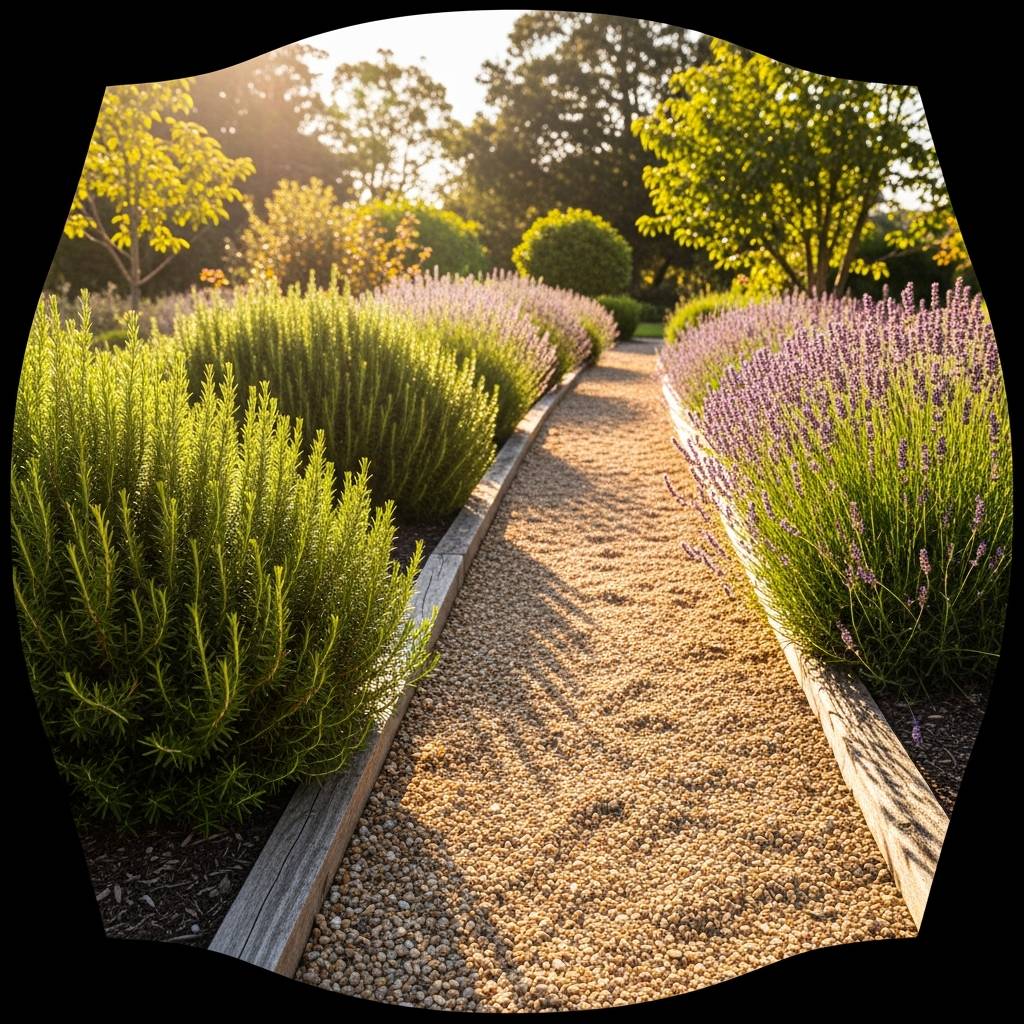
Gravel is a fantastic and cost-effective material for creating a rustic path that provides a satisfying crunch underfoot. To keep it organized and prevent the stones from migrating into your flower beds, use heavy timber or reclaimed wood as edging. This creates a clear boundary while maintaining a relaxed, country feel. Surround the path with billowing herbs like rosemary and thyme to release their scents whenever you brush past them.
4. Stepping Stones in Lavender
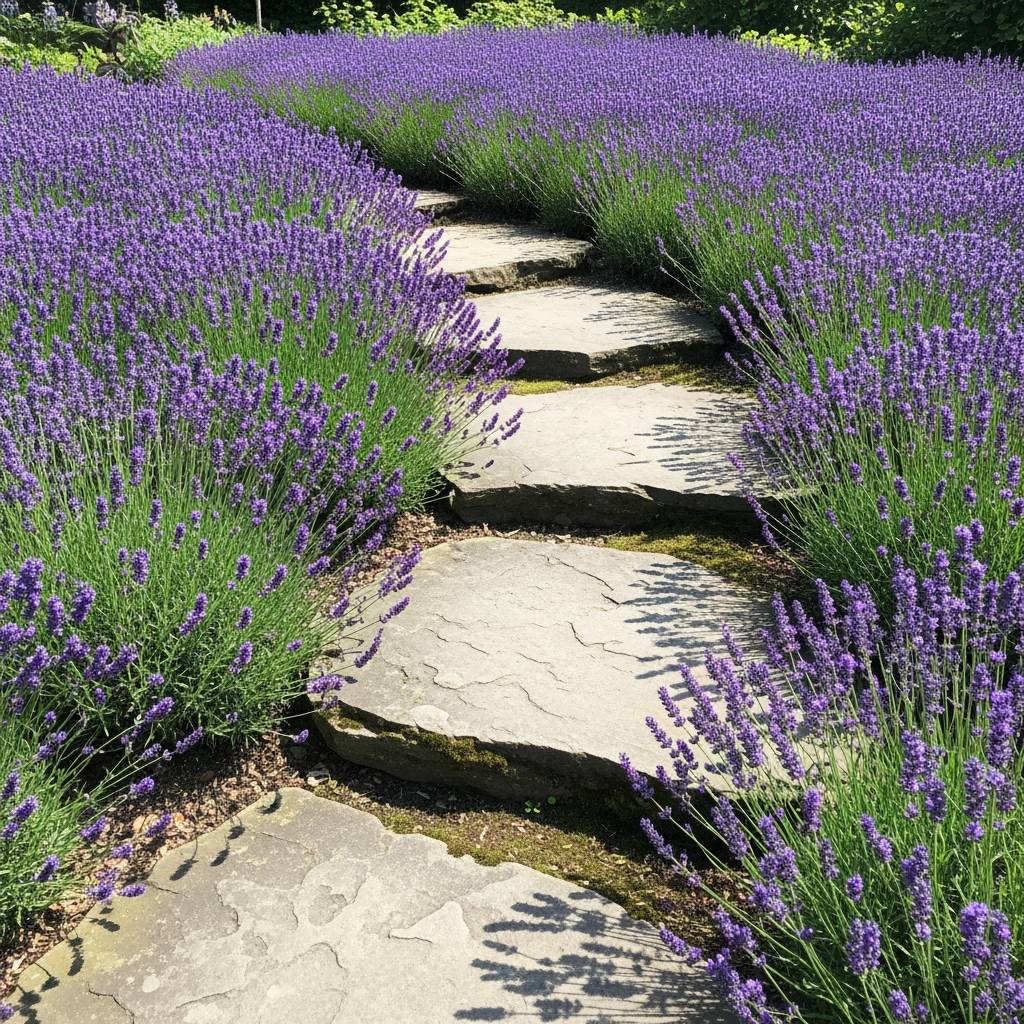
For a path that is as much about the scent as it is about the sight, consider placing large flat stepping stones directly into a bed of low-growing lavender. As you walk through, your clothes will catch the fragrance of the lavender, creating a sensory journey. This approach minimizes the hardscape and allows the plants to take center stage, making the garden feel more expansive and wild. It is a perfect solution for a sunny side yard.
5. Log Slice Woodland Path

If your garden has a more shaded, woodland vibe, a path made of cross-cut log slices is a charming choice. These natural wood rounds blend seamlessly into the environment and provide a soft, organic look. To ensure longevity, treat the wood slices and set them into a shallow bed of sand or bark mulch. This type of path looks especially beautiful when surrounded by ferns and hostas in a dappled shade setting.
6. Slate Slabs with Ground Cover
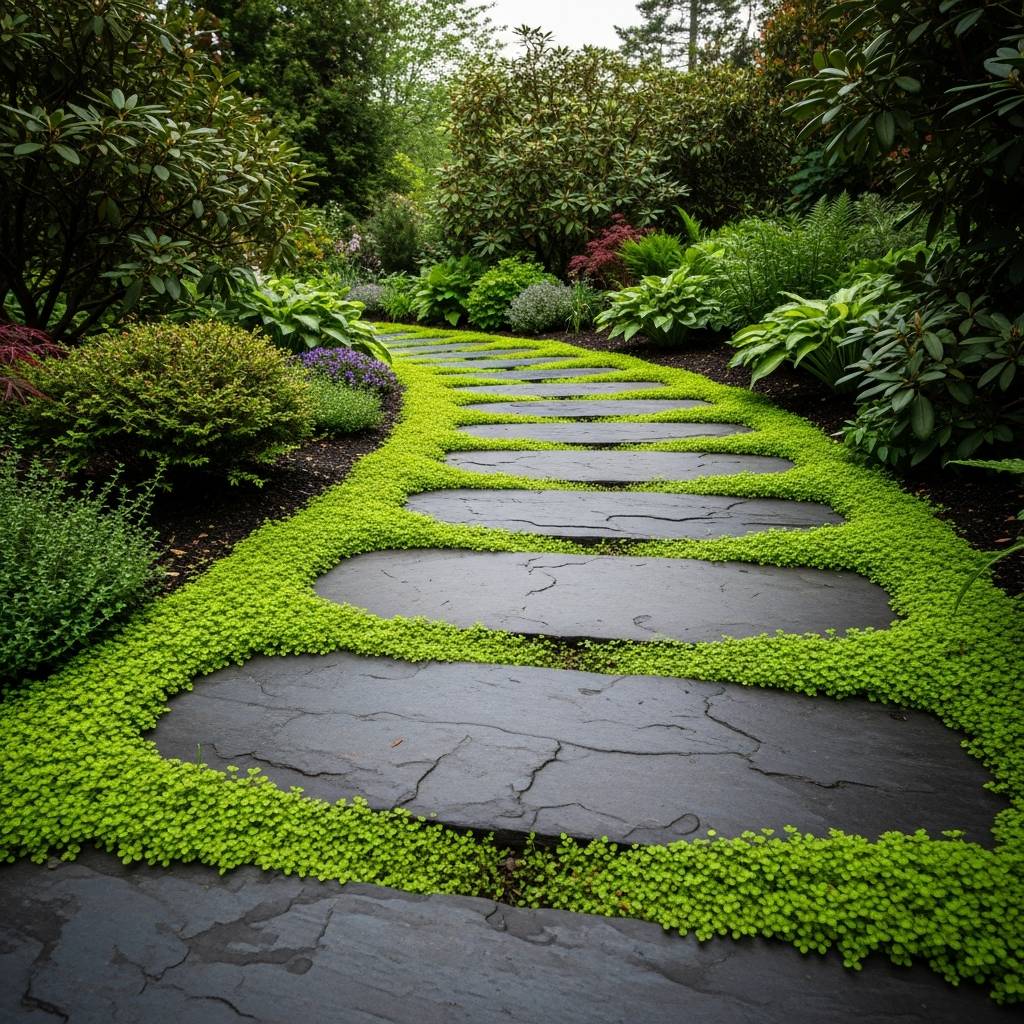
Dark slate slabs offer a cool-toned alternative that looks stunning against bright green foliage. By spacing the slabs out and planting a low-profile ground cover like ‘creeping jenny’ or ‘star creeper’ between them, you create a living walkway. The contrast between the dark, flat stone and the bright green leaves provides a modern yet cottage-appropriate aesthetic that works well in both sun and shade.
7. Curvy Pea Shingle Walkway
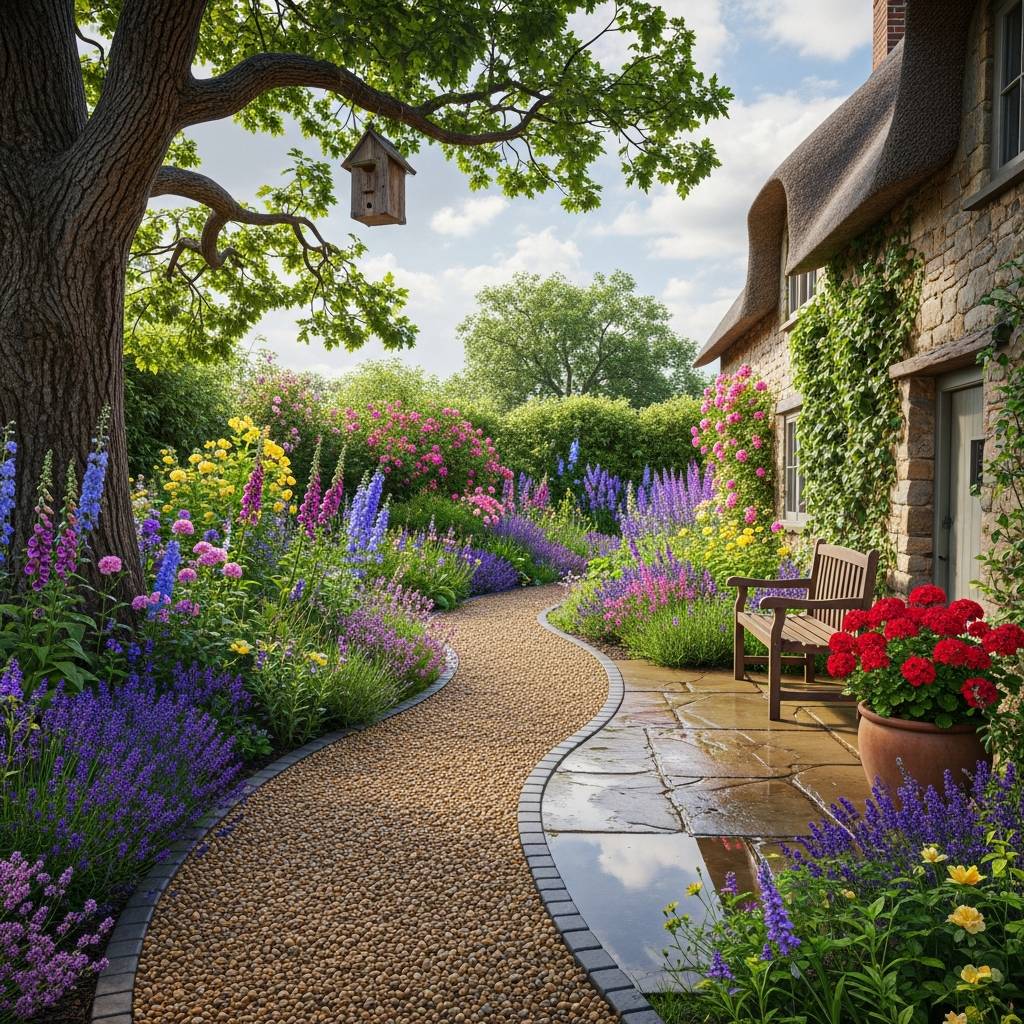
Pea shingle is a softer version of gravel, consisting of small, rounded stones that are comfortable to walk on even in bare feet. A winding, curvy path made of pea shingle can help to make a small garden feel larger by drawing the eye along a meandering route. Use flexible metal or plastic edging to maintain the curves and prevent the stones from mixing with the soil, keeping the look clean and intentional.
8. Reclaimed Cobblestone Street
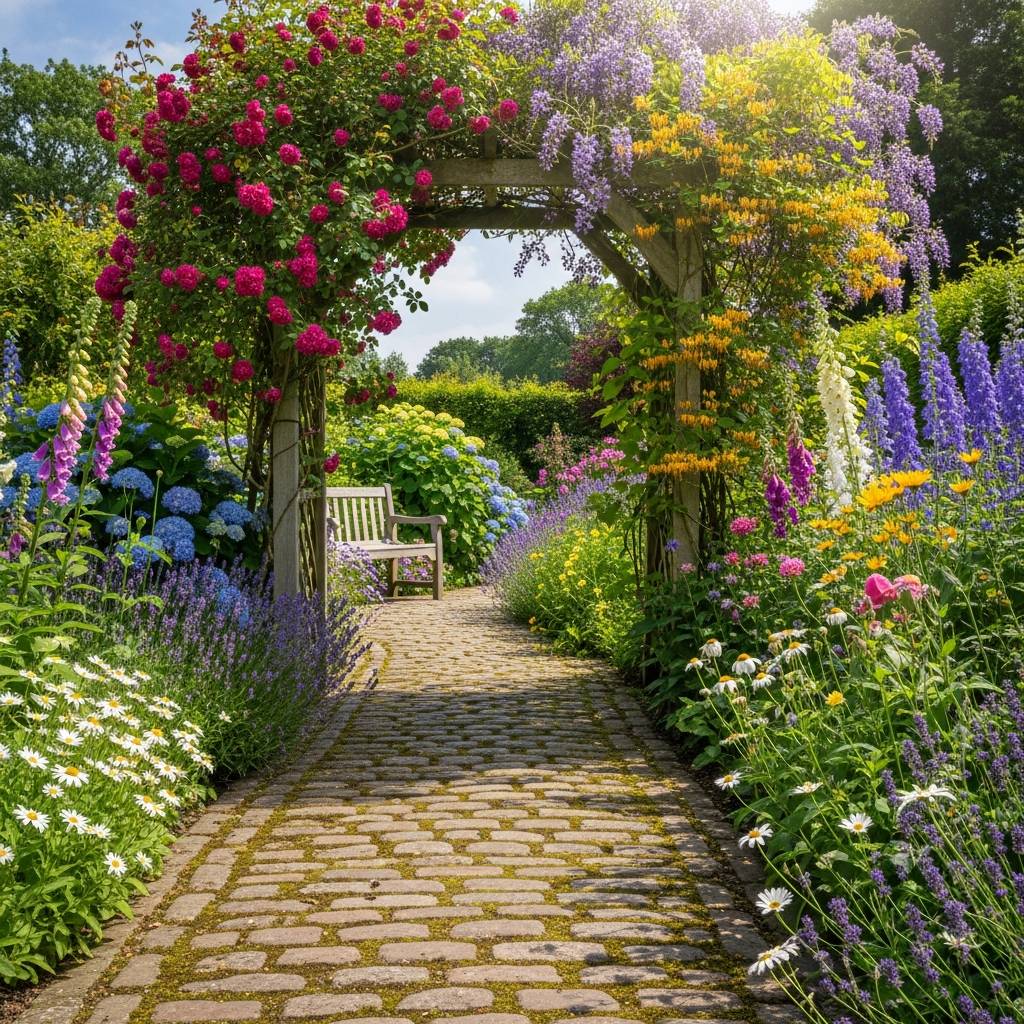
Channel the charm of an old European village by using reclaimed cobblestones for your garden path. These stones are incredibly durable and offer a textured, historic feel that complements older homes. While the installation may be more labor-intensive, the result is a timeless walkway that will last for generations. Pair them with climbing roses on an arbor for the ultimate romantic cottage garden look.
9. Wildflower Meadow Mown Path

In larger gardens, you can create a path simply by mowing a walkway through a wildflower meadow. This is the most natural and eco-friendly option, allowing local pollinators to thrive in the tall grasses and flowers on either side. It creates a sense of adventure and discovery as you walk through knee-high blooms. This style is perfect for a low-maintenance approach that celebrates the wild beauty of nature.
10. Decomposed Granite and Cacti

For those in drier climates, a cottage garden can still be achieved using drought-tolerant plants and decomposed granite. This material provides a stable, permeable surface with a soft, sandy texture. Use it to create wide paths that weave through plantings of agave, sage, and desert marigolds. The warm, golden hues of the granite reflect the sun and create a bright, airy atmosphere in the garden.
11. Bark Mulch with Log Borders

Bark mulch is a classic material for paths in informal gardens. It is soft to walk on, suppresses weeds, and eventually breaks down to nourish the soil. To give it a more defined cottage look, use long logs or thick branches as borders. This keeps the mulch in place and gives the garden a rustic, hand-crafted feel that is perfect for vegetable patches or fruit gardens.
12. Mosaic Pebble Art Walkway
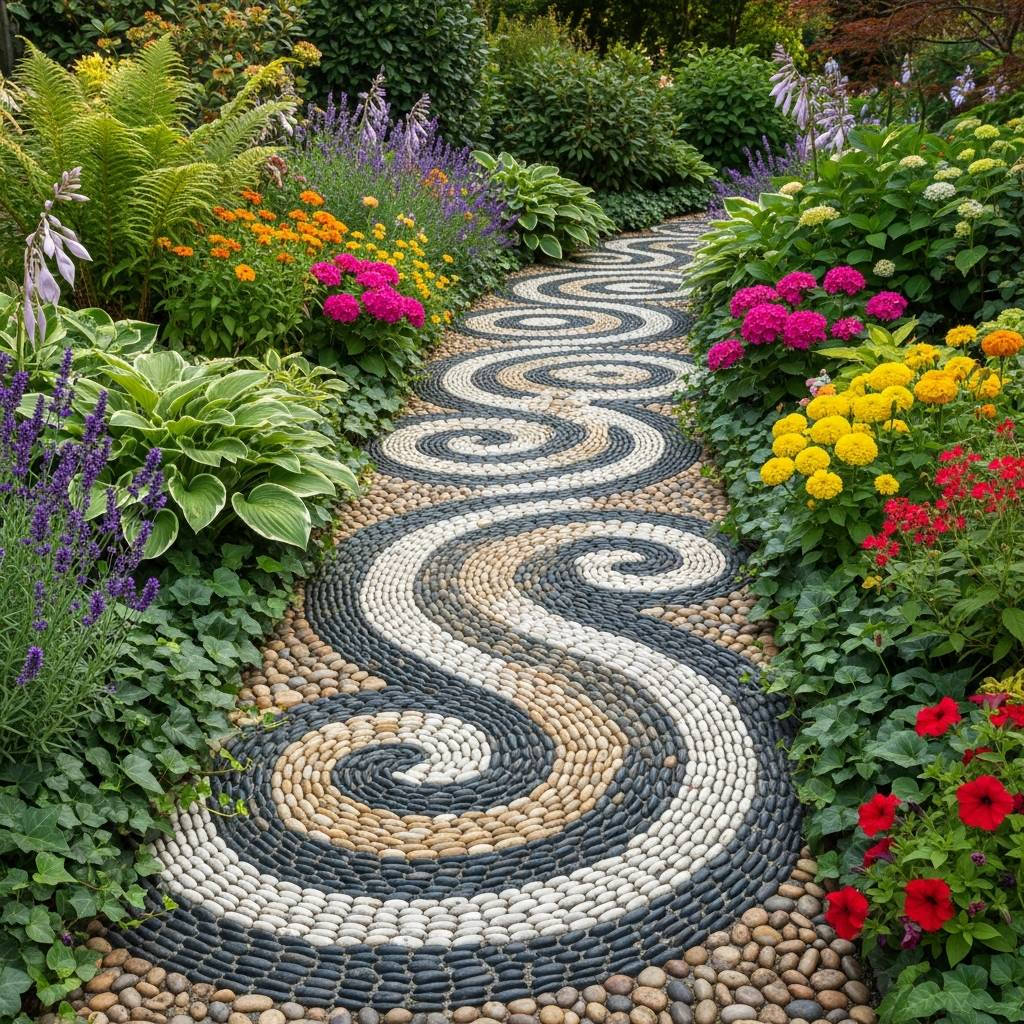
Turn your garden path into a work of art by creating a pebble mosaic. By embedding smooth river stones of different colors into a mortar base, you can create intricate patterns, swirls, or floral designs. This is a great way to add a personal and creative touch to your landscape. Even a small section of mosaic can serve as a stunning focal point within a larger stone or gravel path.
13. Terracotta Tile Garden Path
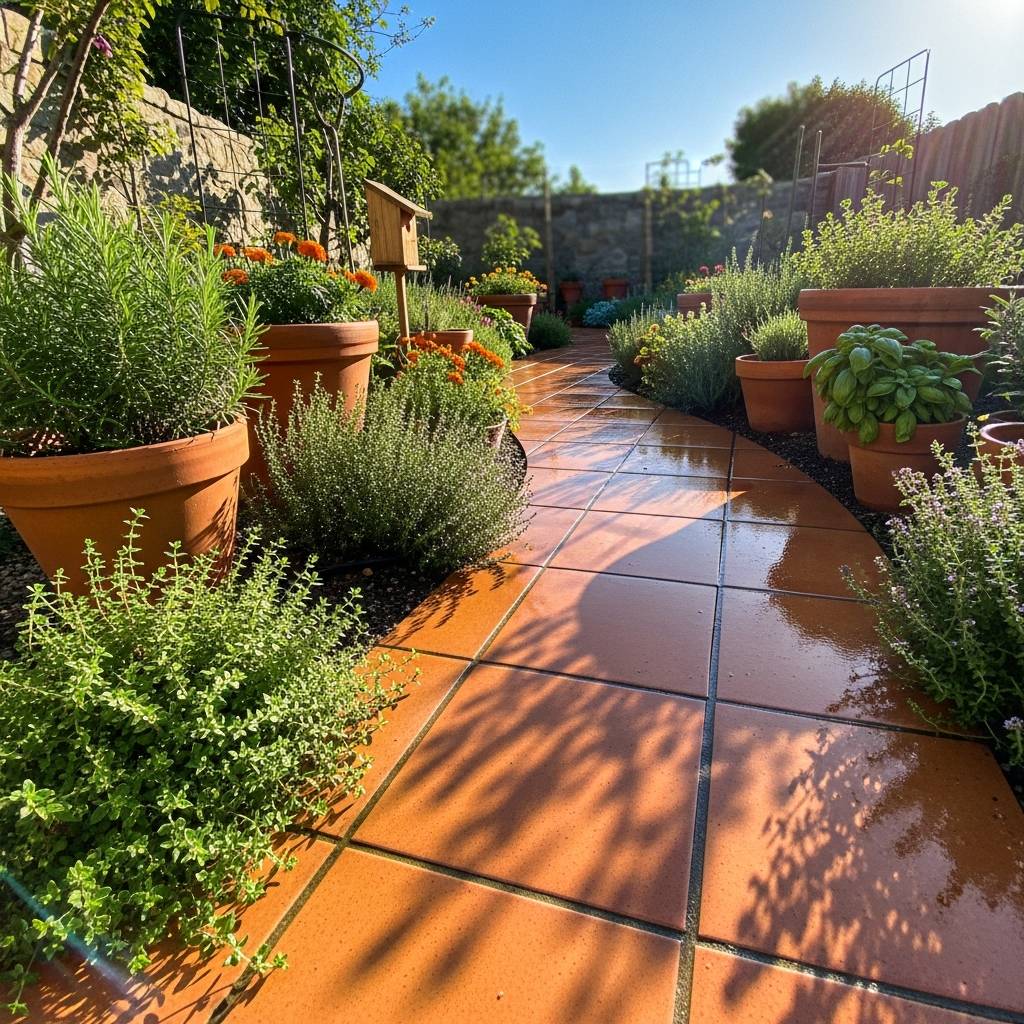
Terracotta tiles bring a warm, Mediterranean cottage feel to the garden. Their rich orange and red hues provide a beautiful backdrop for Mediterranean herbs like lavender, sage, and oregano. These tiles are best used in warmer climates or in sheltered areas of the garden. Their geometric shapes can be used to create a more formal cottage look, especially when lined with neatly trimmed boxwood hedges.
14. Sandstone Pavers and Thyme
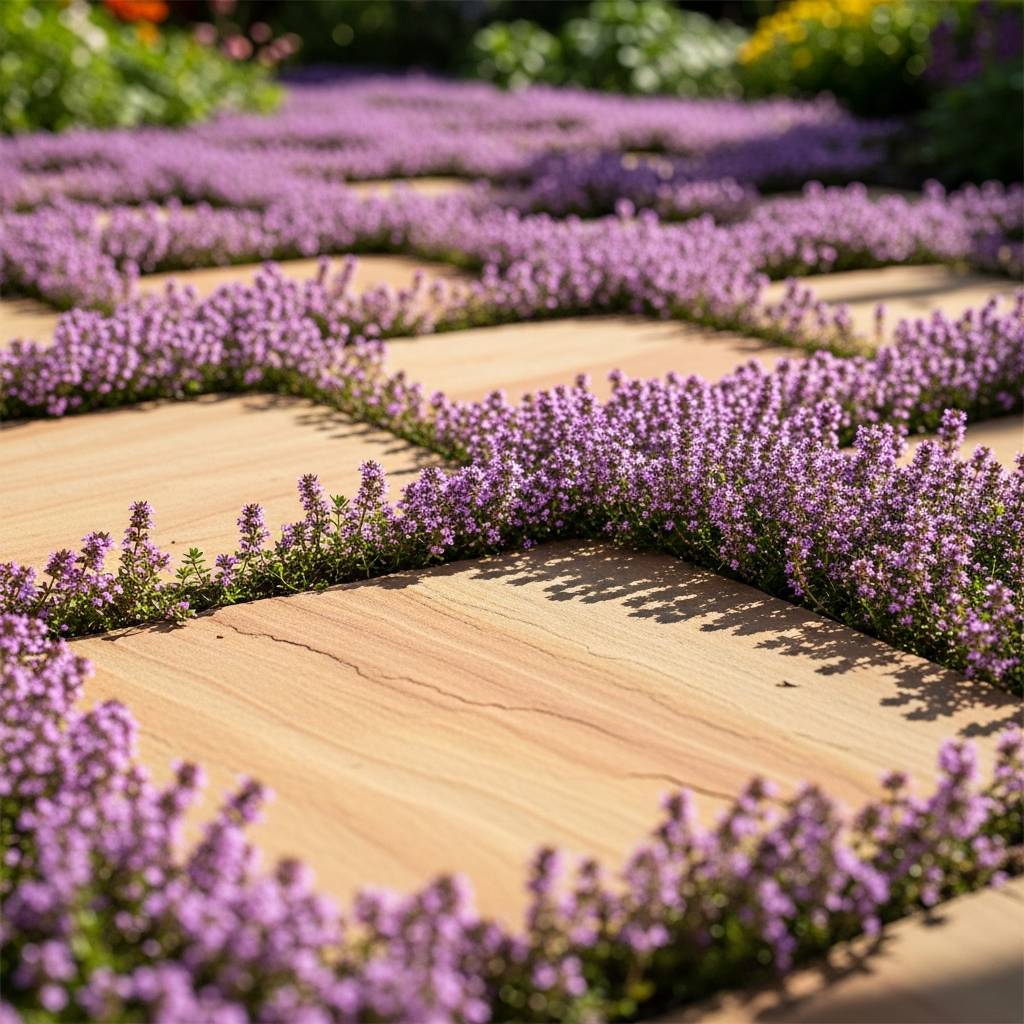
Sandstone pavers offer a smooth and elegant surface that is still very natural in appearance. By leaving wide gaps between the pavers and planting ‘creeping thyme’, you create a path that releases a delicious herbal scent every time you step on it. The soft purple flowers of the thyme will eventually drape over the edges of the stone, blurring the lines between the hardscape and the garden beds.
15. Woven Willow Edge Path

Adding a woven willow or hazel wattle edging to your path instantly gives it a traditional English country garden feel. This organic material is perfect for bordering gravel or soil paths, providing a low fence that keeps plants from flopping over onto the walkway. It adds a wonderful vertical texture and a sense of craftsmanship to the garden, making even a simple dirt path look curated.
16. Limestone Steppers in Lush Grass
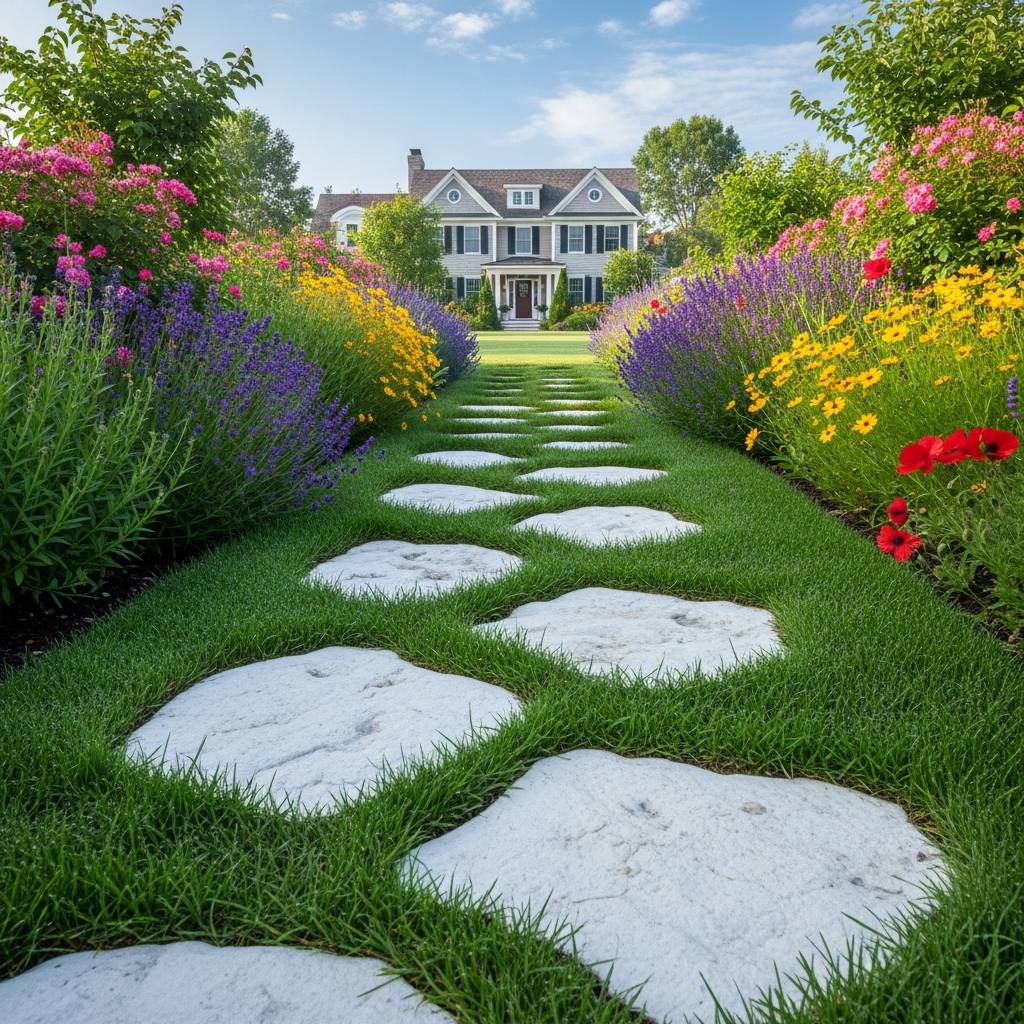
For a high-contrast and clean look, place light-colored limestone stepping stones directly into a well-maintained lawn. The bright white or cream stone pops against the deep green grass, creating a clear visual guide through the space. This is a great way to protect your lawn from heavy foot traffic while maintaining a soft, green aesthetic. It works particularly well in front gardens to lead guests to the door.
17. Recycled Concrete Stepping Stones

Sustainability meets style with the use of recycled concrete chunks, often called ‘urbanite’, to create a stepping stone path. When broken into irregular shapes and laid carefully, it can mimic the look of expensive flagstone. This is an excellent way to repurpose materials from a renovation project. Surround the concrete with native grasses and wildflowers to soften the industrial edge and integrate it into the cottage theme.
18. Vintage Railway Sleeper Path

Old railway sleepers (or new timber treated to look old) provide a sturdy and rustic walkway. They can be laid horizontally like a ladder or vertically to create steps on a slope. The dark, weathered wood looks fantastic when paired with bright green ferns or white climbing roses. This is a very durable option that adds a sense of history and structure to the garden landscape.
19. Mixed Brick and Stone Mosaic
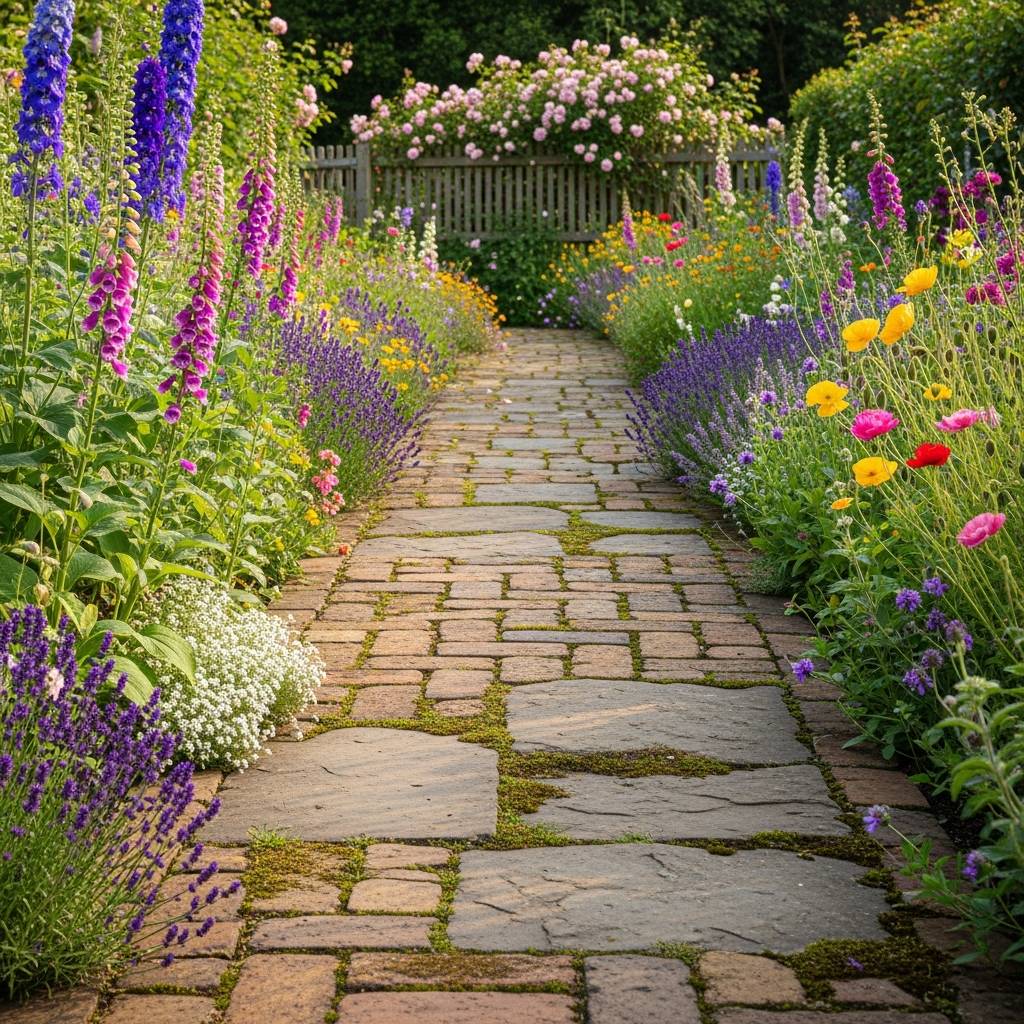
Can’t decide between brick and stone? Use both! An eclectic mix of different materials can create a highly textured and interesting path. You might use bricks for the borders and irregular stones for the center, or create a random pattern that looks like it evolved over many years. This ‘patchwork’ style is the ultimate expression of the relaxed, lived-in feel that defines a true cottage garden.
20. Soft Grass Path through Perennials
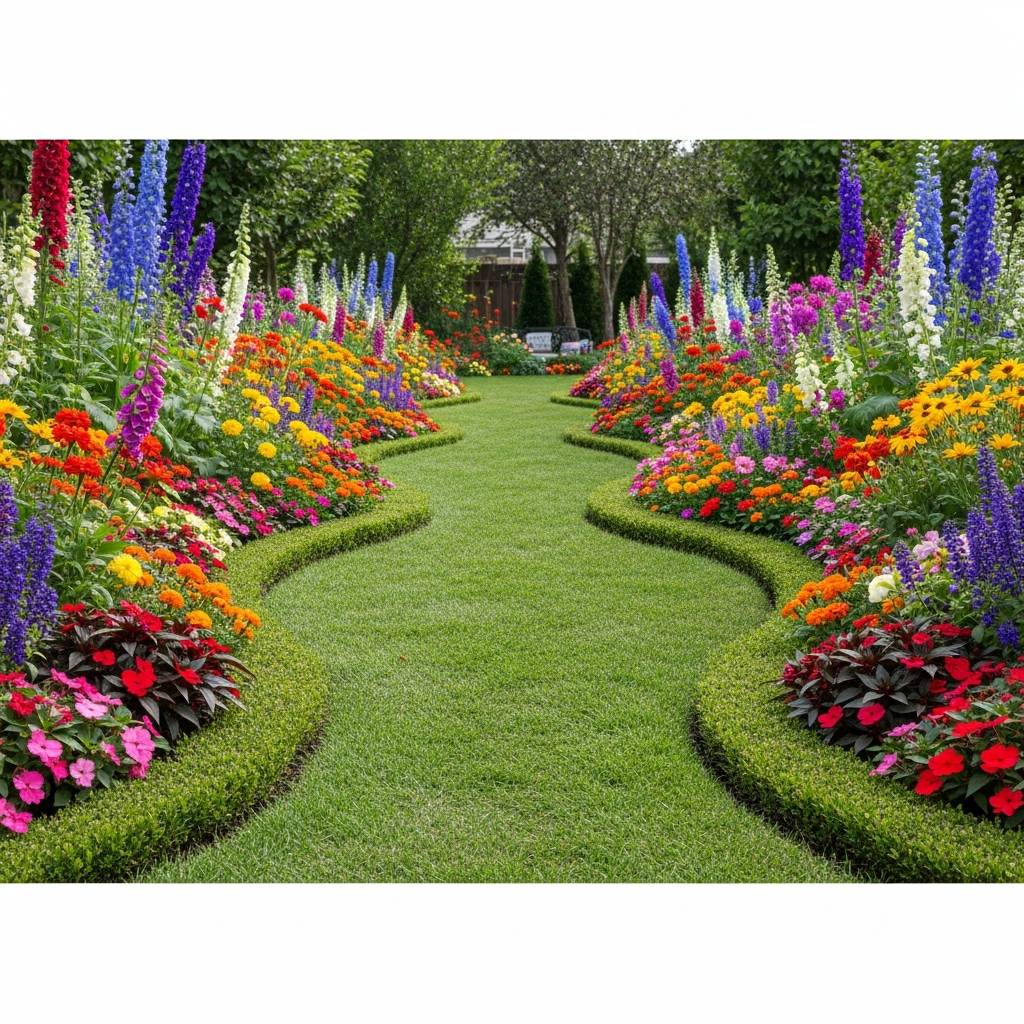
Sometimes the simplest option is the best. A path made of lush, green grass that winds between deep perennial borders creates a soft and romantic feel. The key is to keep the edges of the grass neatly trimmed to provide a clear distinction between the walkway and the flower beds. This type of path is wonderful for walking barefoot in the morning dew and feels completely integrated with the plants.
21. Flagstone with Corsican Mint

Corsican mint is a tiny, low-growing herb that loves to grow between stones in damp, shady areas. When paired with flagstone, it creates a ‘living rug’ that emits a refreshing minty scent when stepped upon. This combination is perfect for a secret garden path that leads to a bench or a hidden corner. The tiny leaves of the mint provide a delicate green texture that beautifully softens the hard stone.
22. Coastal Crushed Shell Path
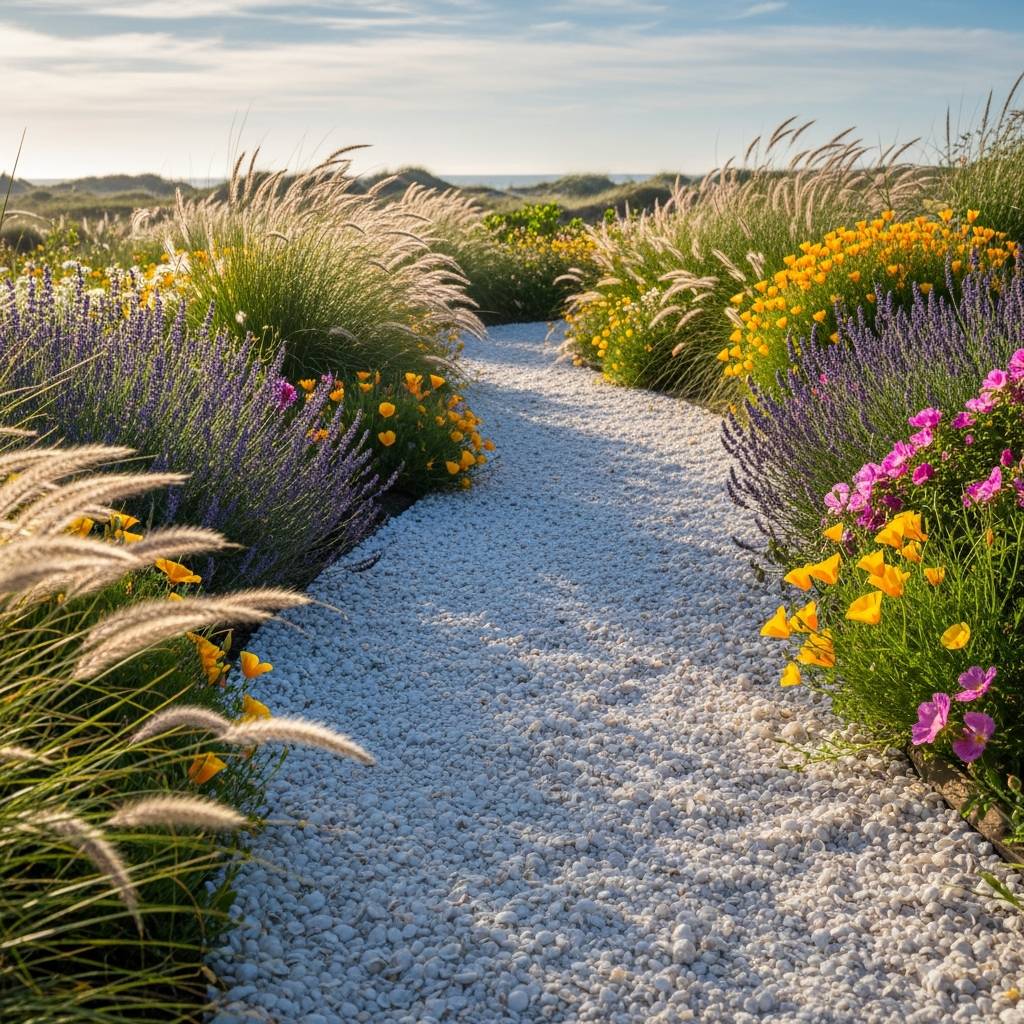
If you live near the coast or just love the beachy look, crushed shells make a unique and sustainable path material. The white and grey tones of the shells reflect the light and provide a bright, clean look that pairs well with coastal plants like sea kale, lavender, and grasses. The shells also provide a unique sound when walked upon, adding another layer of sensory experience to your garden.
23. Shady Slate Chip Walkway

Slate chippings are a great choice for shady paths where grass or sun-loving plants won’t grow. The dark, flat chips provide a clean and modern cottage look that highlights the different shades of green in shade-loving plants like ferns, hostas, and hellebores. Slate stays dark when wet, which can look very dramatic after a rain shower, and it’s excellent for keeping the ground cool and moist.
24. Checkerboard Paver and Grass
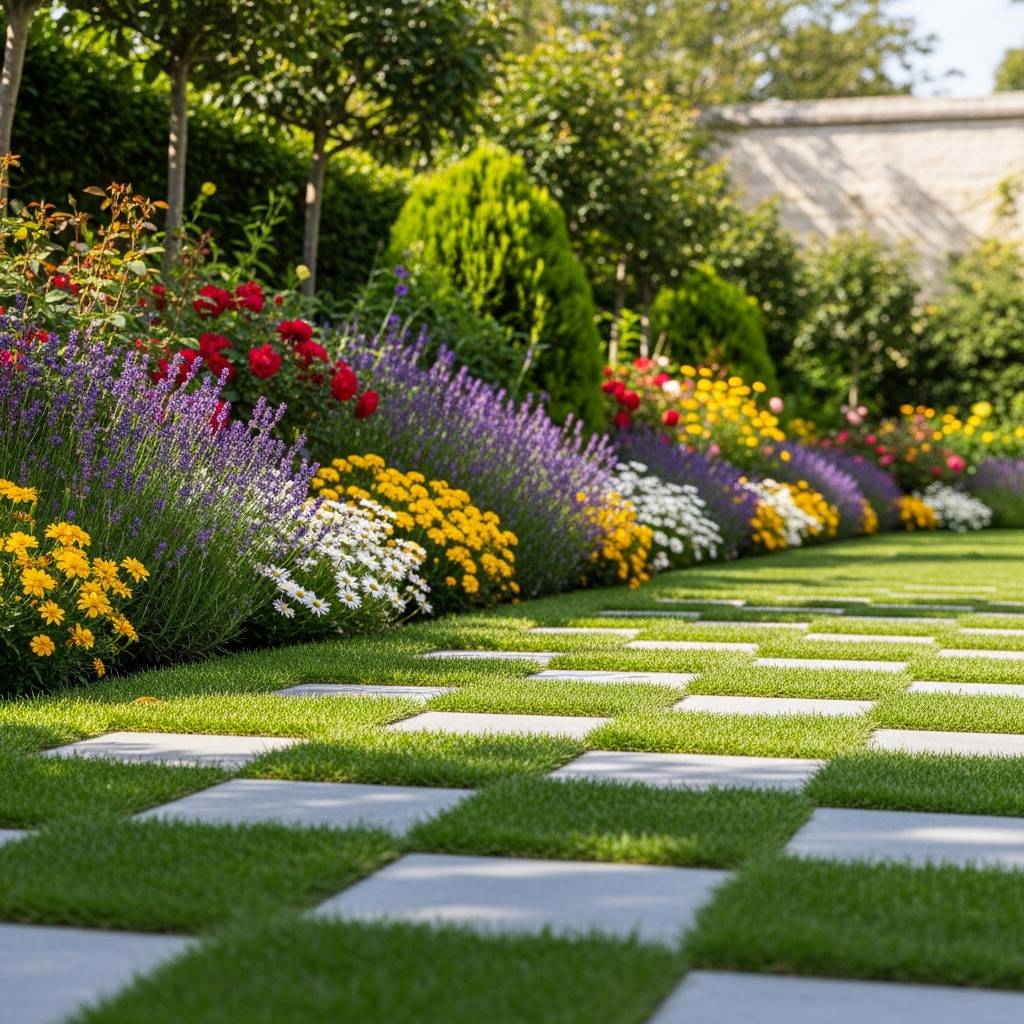
A checkerboard pattern using square stone pavers and squares of grass or moss creates a more formal cottage aesthetic. It’s a striking design that works well for a patio area or a main walkway. While it requires more maintenance to keep the grass squares tidy, the visual impact is worth the effort. It provides a structured balance to the often chaotic and wild planting style found in cottage gardens.
25. Secret Garden Arch Path

To create a sense of mystery, lead your path through a series of wooden or metal arches covered in climbing plants like clematis, honeysuckle, or wisteria. This creates a ‘tunnel’ effect that makes the garden feel like a series of rooms rather than one open space. As you walk through the arches, you are surrounded by blooms and fragrance, making the journey along the path a truly immersive experience.