
15 Stunning DIY Flower Bed Ideas to Boost Your Home’s Curb Appeal


Hey there, garden enthusiasts! Ready to give your home a gorgeous facelift without breaking the bank? Your front yard is the first impression visitors get, and nothing says ‘welcome home’ quite like a beautifully designed flower bed in front of your house.
Forget expensive landscape architects! We’re diving into 15 amazing DIY flower bed ideas that you can easily create yourself. From simple borders to vibrant focal points, get ready to transform your outdoor space into a blooming paradise. Let’s dig in!
1. Classic Border Bed
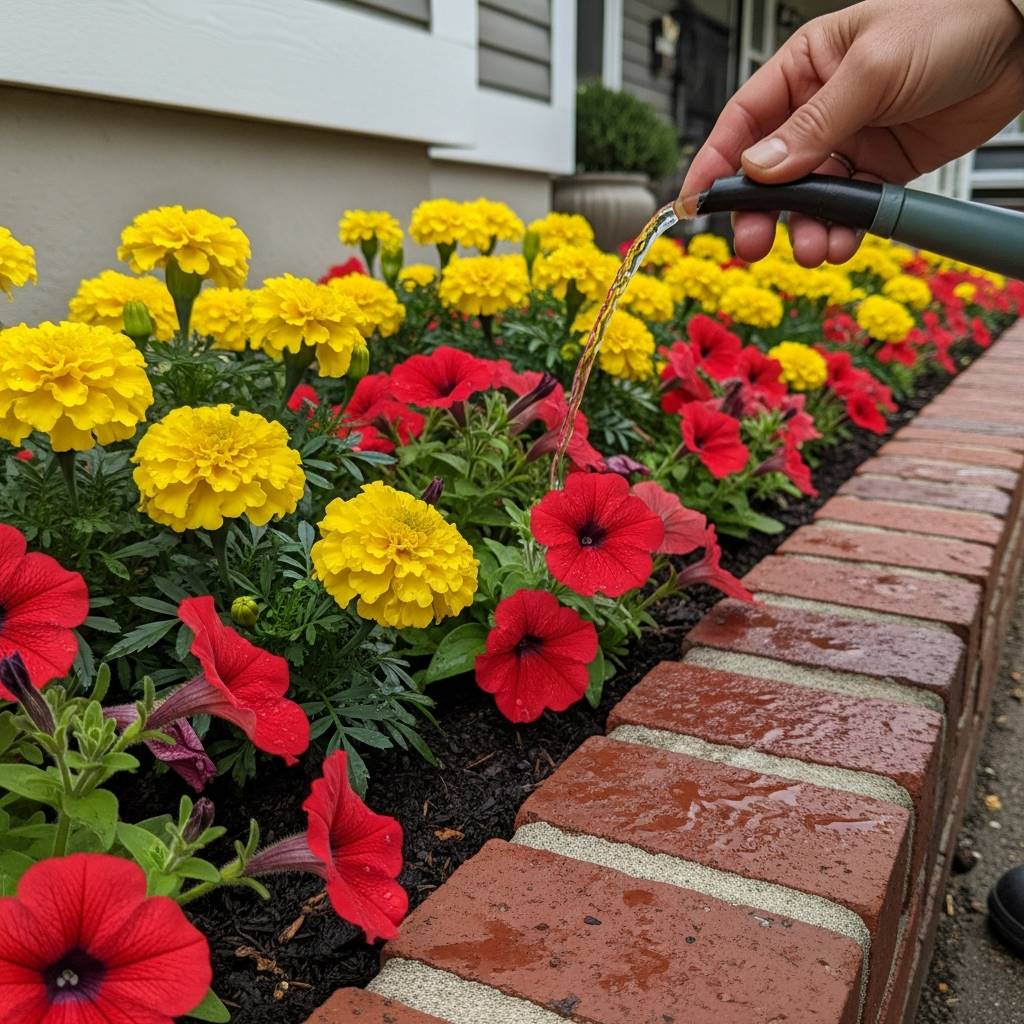
Start with a timeless look using a simple, well-defined border bed. Choose resilient, low-maintenance flowers like marigolds, petunias, or impatiens that offer continuous blooms throughout the season. Ensure your edging is crisp, whether using plastic, metal, or brick, to give it a polished appearance. This fundamental design provides a solid base for more complex layering later on and creates an immediate sense of order and care for your front yard. It’s perfect for framing pathways or the foundation of your house, providing a splash of color without overwhelming the space.
2. Raised Garden Bed with Wood
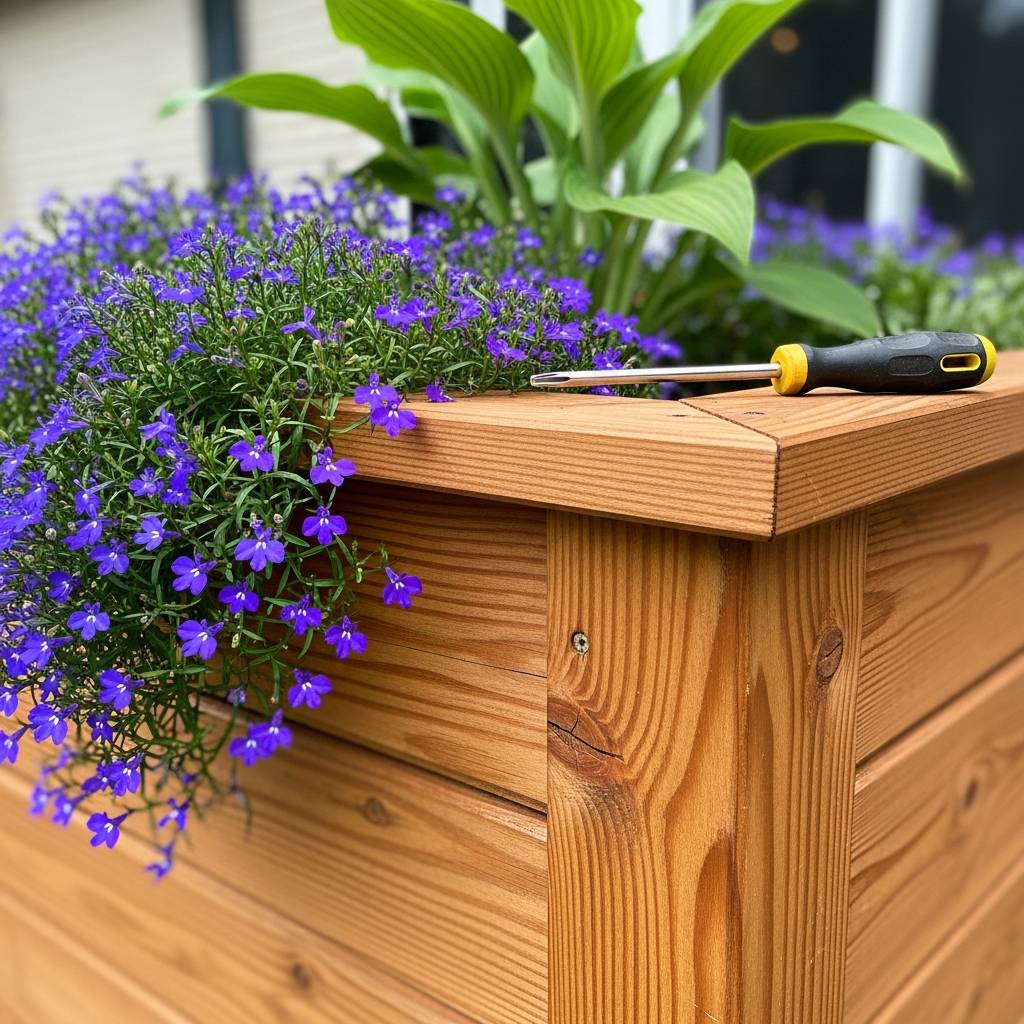
Elevate your flower beds (literally!) with a raised wooden structure. This not only adds architectural interest but also improves drainage and makes gardening easier on your back. Use cedar or treated pine for longevity. Fill with a rich soil mix and plant a variety of heights – taller plants like delphiniums in the back, medium-height perennials like hostas in the middle, and cascading annuals like lobelia spilling over the sides. The defined structure brings a clean, modern aesthetic.
3. Stone Lined Flower Bed
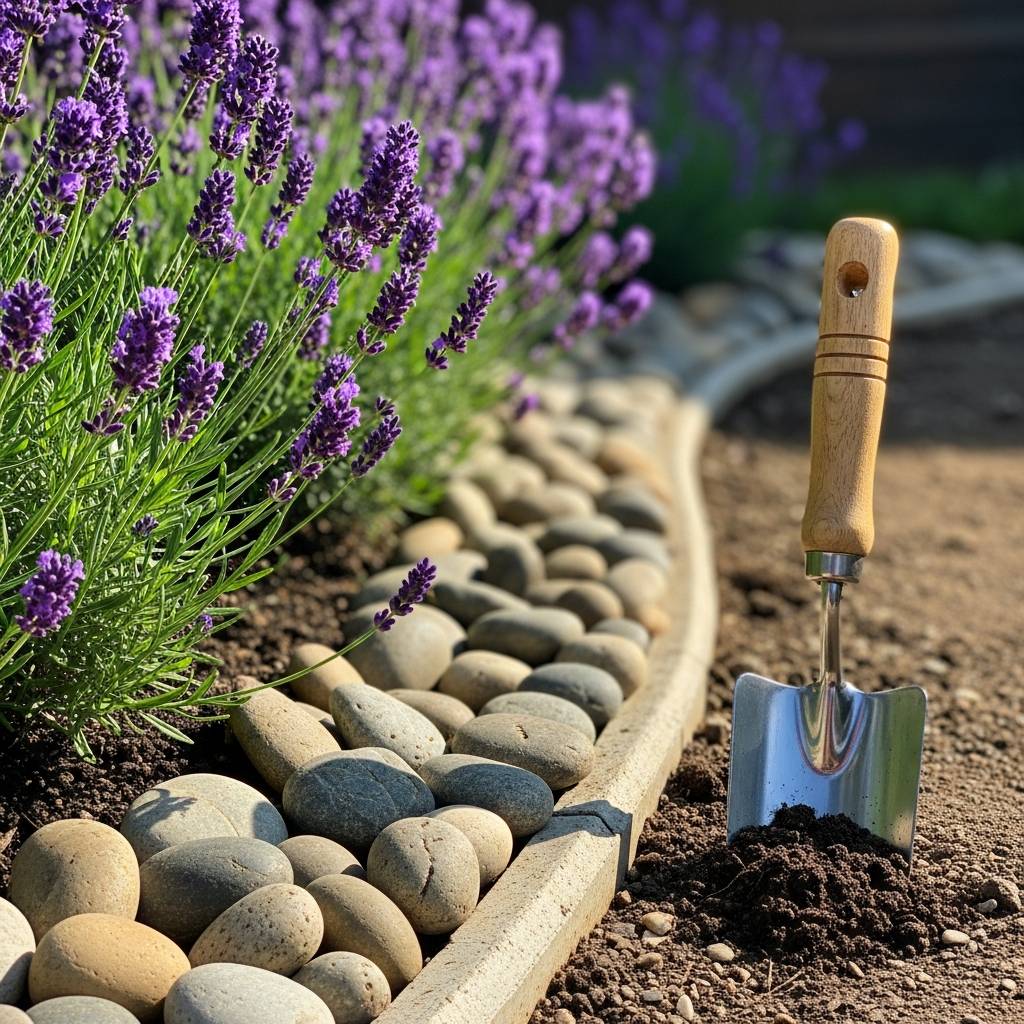
For a rustic and natural feel, outline your flower beds with natural stones or river rocks. This method blends seamlessly with most landscape styles and provides excellent drainage while preventing soil erosion. Arrange stones of varying sizes for an organic look, making sure they are securely placed. Plant drought-tolerant flowers like sedum, lavender, or coneflowers that complement the earthy tones of the stones. This approach adds texture and visual weight.
4. Tiered Flower Bed Design
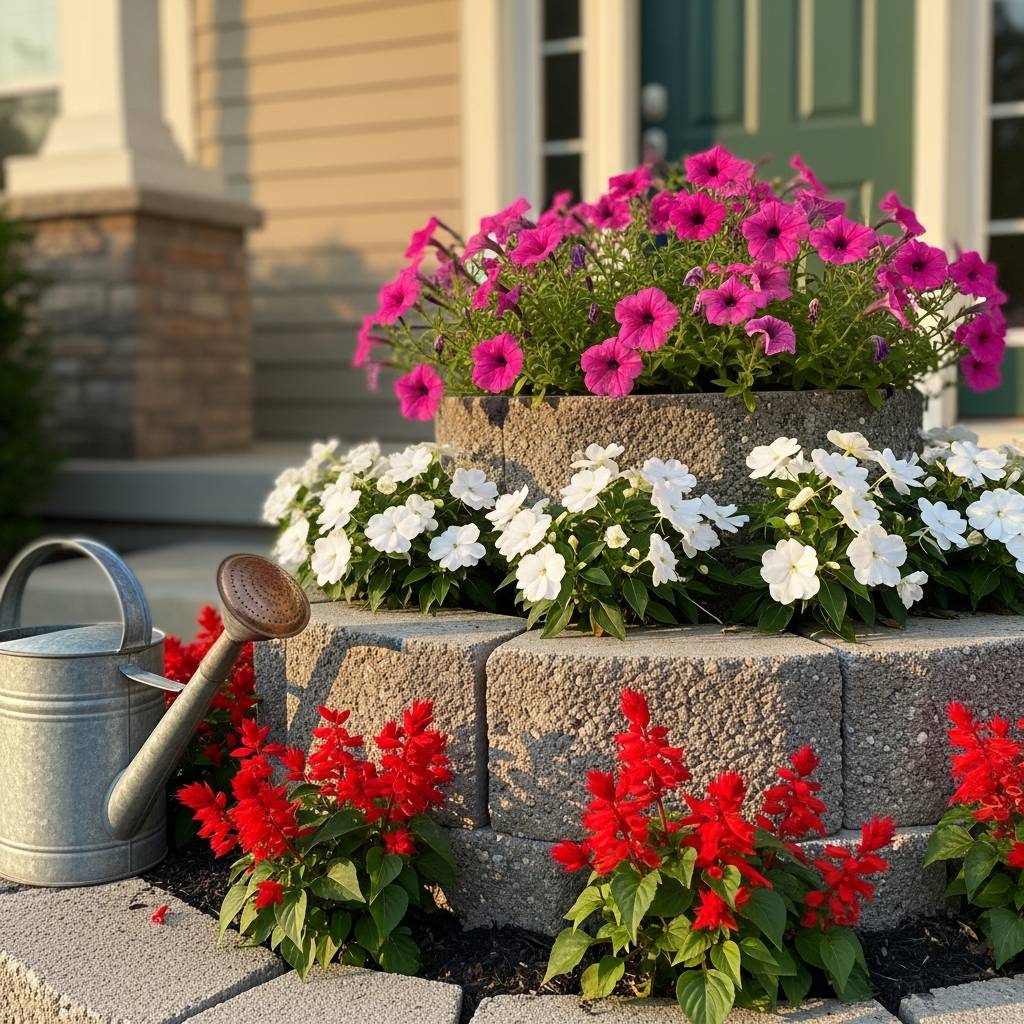
Create a dynamic display by building a tiered flower bed. This multi-level approach maximizes planting space and allows you to showcase a diverse range of flowers at different heights. You can achieve this with retaining wall blocks, wood, or even stacked tires covered in paint. Plant smaller, trailing flowers on the top tier, medium-sized plants in the middle, and taller, more substantial plants on the bottom to create a cascading effect that draws the eye.
5. Perennial Powerhouse Bed
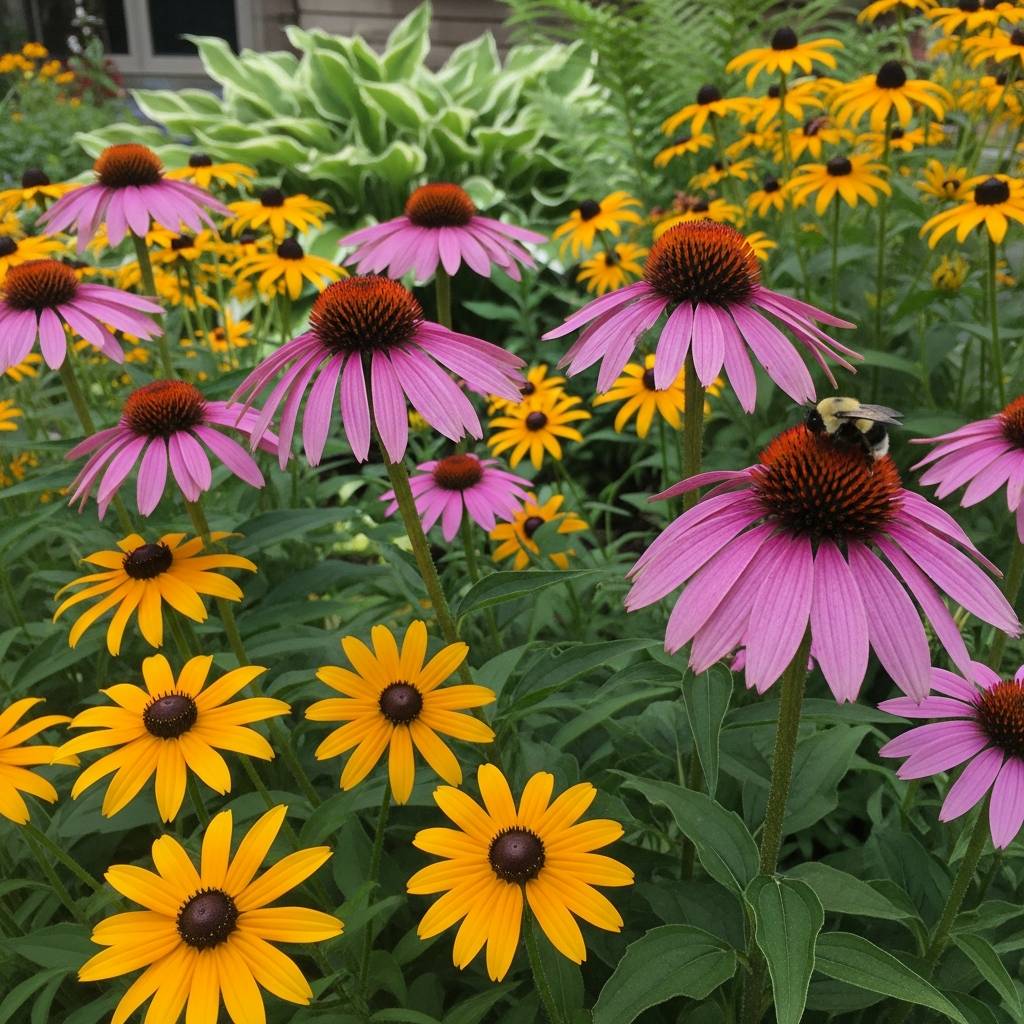
Invest in perennials for a flower bed that returns year after year, offering beauty with less effort. Choose a mix of early, mid, and late-season bloomers to ensure continuous color. Think about incorporating favorites like daylilies, hostas, coneflowers, black-eyed Susans, and phlox. Group them in odd numbers for a natural look and consider their mature size to avoid overcrowding. This strategy reduces the need for annual replanting.
6. Shade-Loving Sanctuary
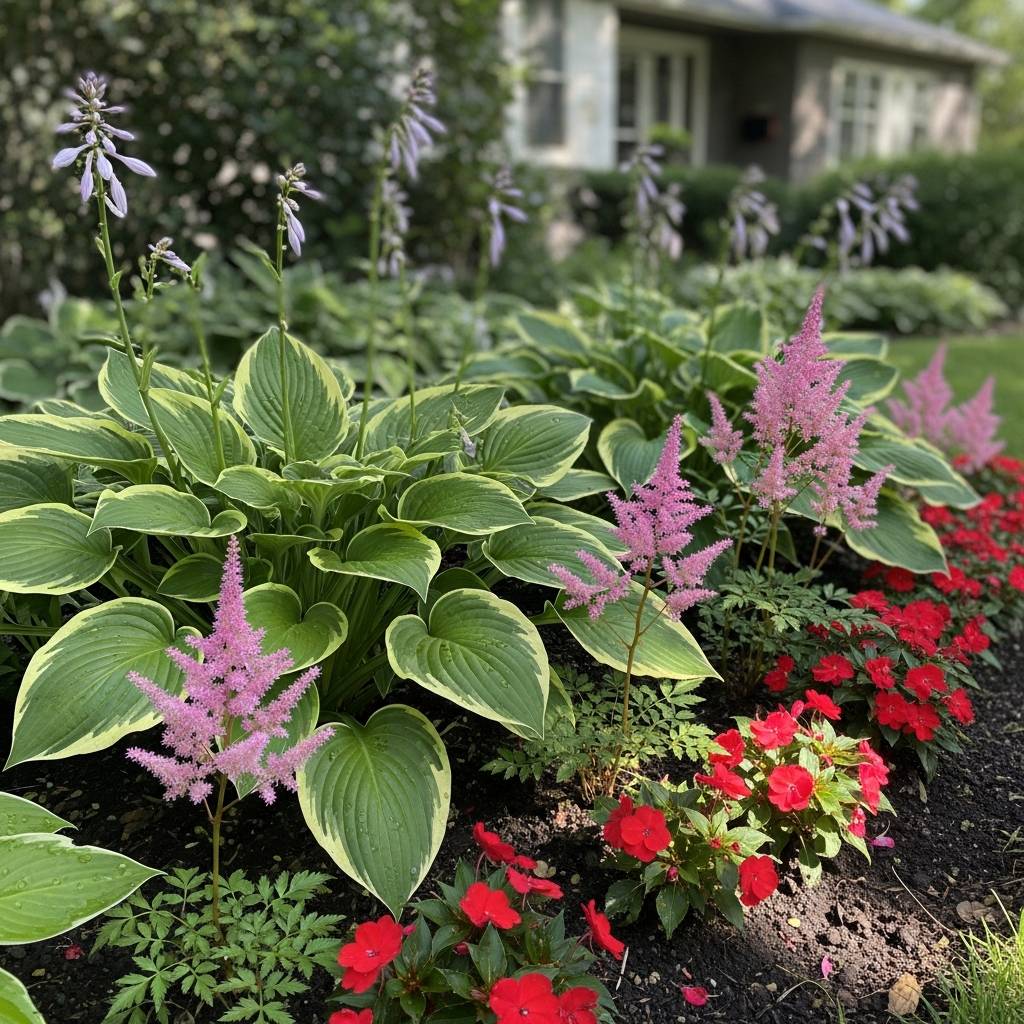
Don’t let a shady front yard deter you! Embrace the shade by creating a tranquil flower bed with plants that thrive in indirect light. Hostas, ferns, impatiens, astilbes, and bleeding hearts are fantastic choices that bring lush greenery and delicate blooms to darker areas. Focus on varying leaf textures and shades of green to add interest. Add some stepping stones for a whimsical touch and mulch heavily to retain moisture.
7. Sunny Bloom Extravaganza
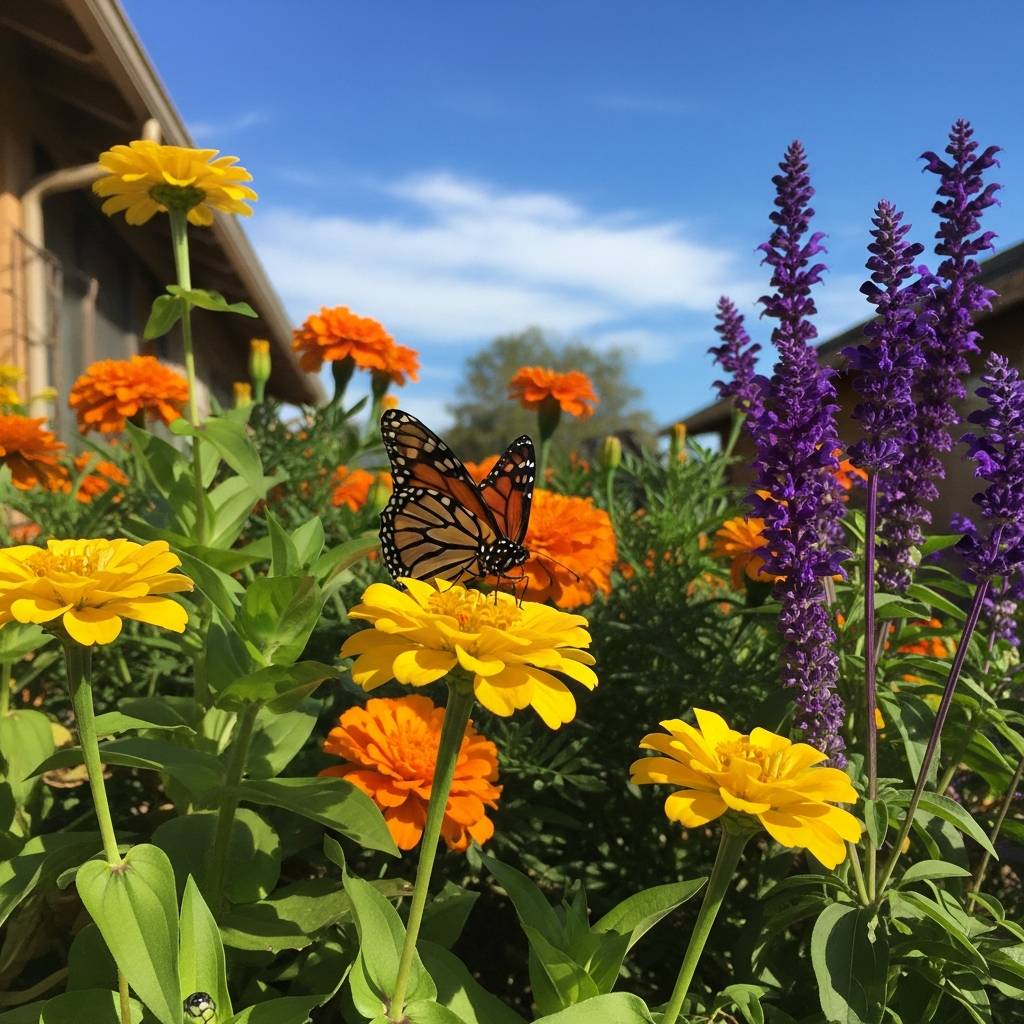
For areas bathed in sunlight, create a dazzling display of sun-loving flowers. Consider plants like sunflowers, zinnias, marigolds, petunias, and salvia. These plants generally require at least six hours of direct sun daily and will reward you with abundant, long-lasting blooms. Mix tall and short varieties to add depth and visual appeal, and don’t forget to incorporate some pollinator-friendly options to attract bees and butterflies.
8. Edible Flower Bed
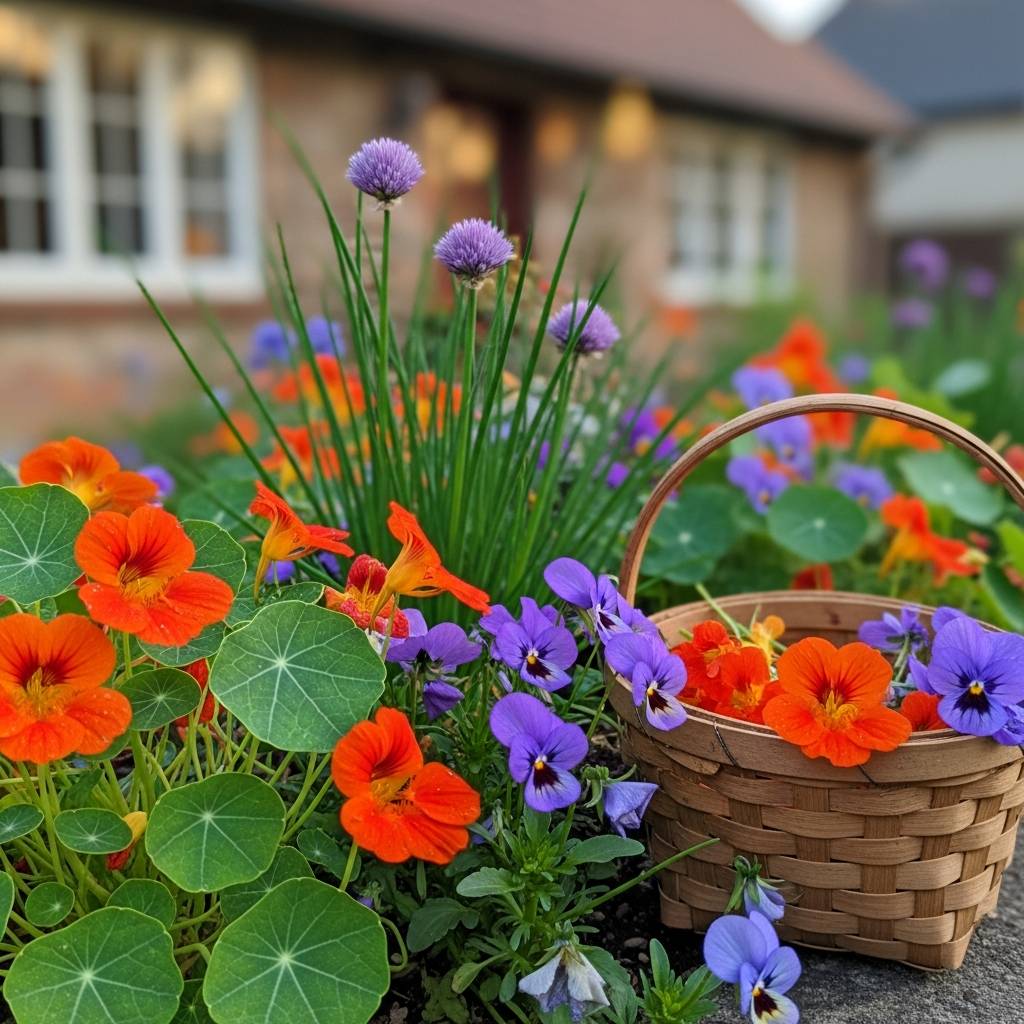
Why not make your front yard both beautiful and bountiful? Create an edible flower bed by incorporating plants that are both ornamental and delicious. Think nasturtiums, pansies, calendula, chives, and even some compact varieties of herbs like rosemary or thyme. This adds a unique, practical element to your landscaping and can be a fantastic conversation starter. Ensure all plants are organic and pesticide-free if you plan to consume them.
9. Drought-Tolerant Desert Charm
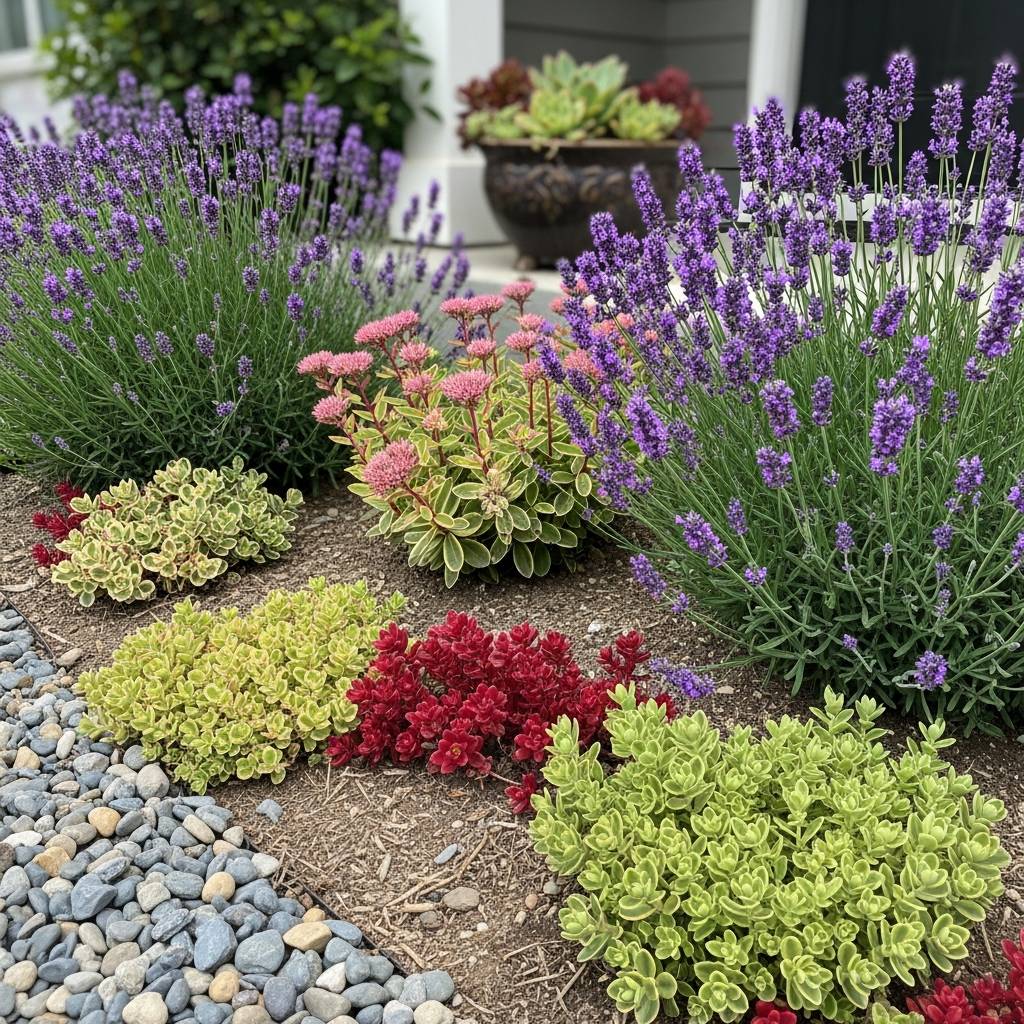
If you live in a dry climate or want to conserve water, a drought-tolerant flower bed is the way to go. Focus on succulents, cacti, and plants like lavender, sedum, coneflowers, and ornamental grasses. These plants require minimal watering once established and can still provide stunning visual interest. Incorporate decorative rocks and gravel as mulch to further reduce water evaporation and create a desert-inspired aesthetic.
10. Monochromatic Masterpiece
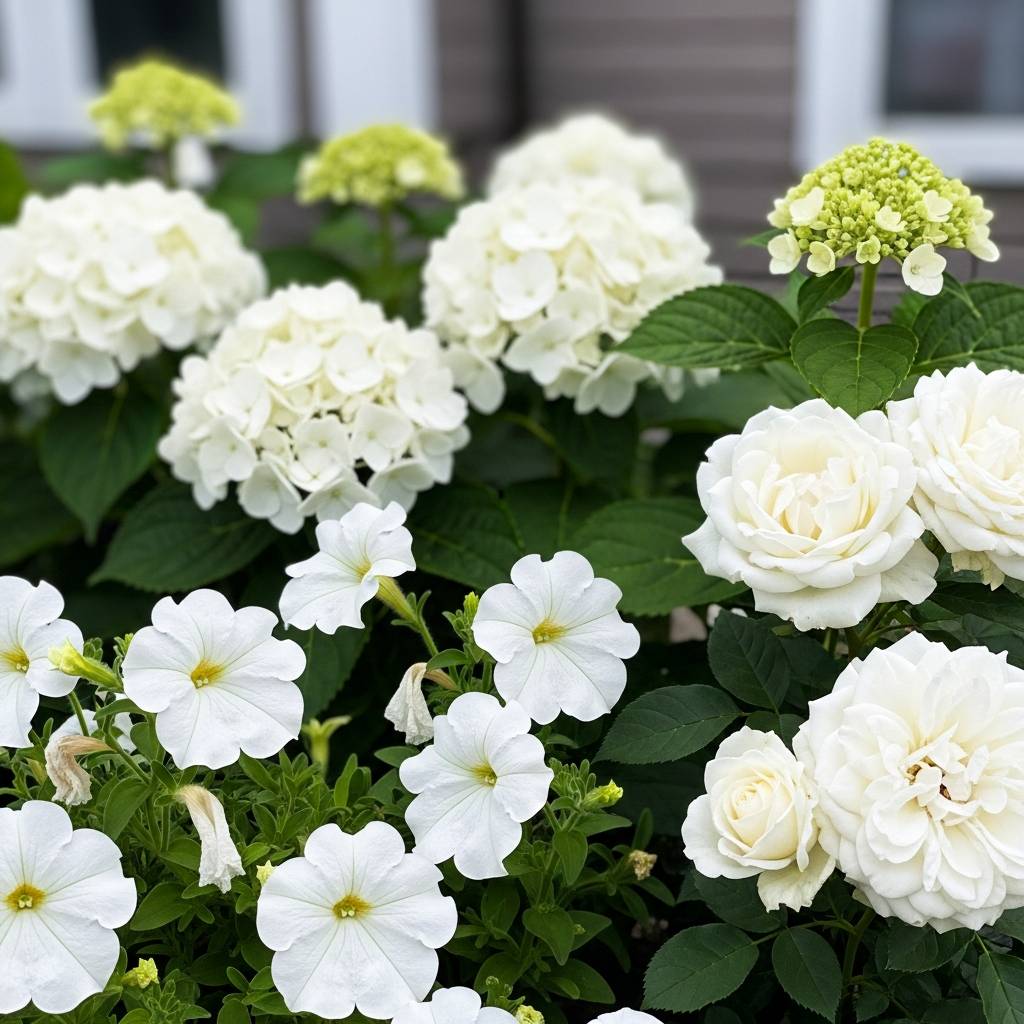
Create a sophisticated and cohesive look by choosing flowers all within the same color family, or shades of one color. For example, a ‘white garden’ with various white roses, impatiens, petunias, and hydrangeas, or a ‘blue garden’ with delphiniums, salvias, and lobelia. This technique highlights the different textures and forms of the plants while maintaining a harmonious palette. It’s surprisingly impactful and elegant.
11. Whimsical Fairy Garden Bed
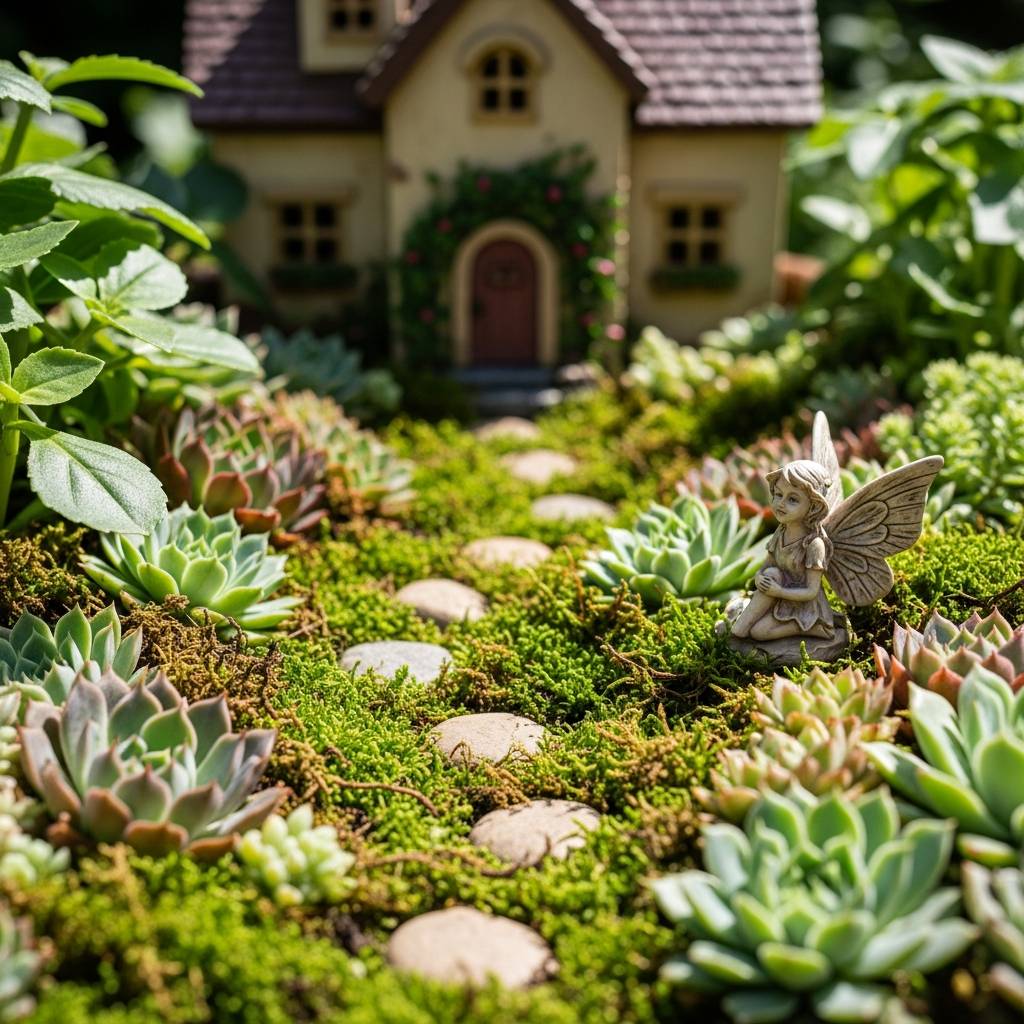
Add a touch of magic to your front yard with a whimsical fairy garden flower bed. Incorporate miniature plants like dwarf conifers, tiny succulents, and mosses, then add small fairy statues, tiny houses, stepping stones, and other charming decorations. This type of bed is particularly engaging for families with children and creates a delightful focal point that invites closer inspection. It’s all about the tiny, enchanting details.
12. Vertical Flower Wall Accent
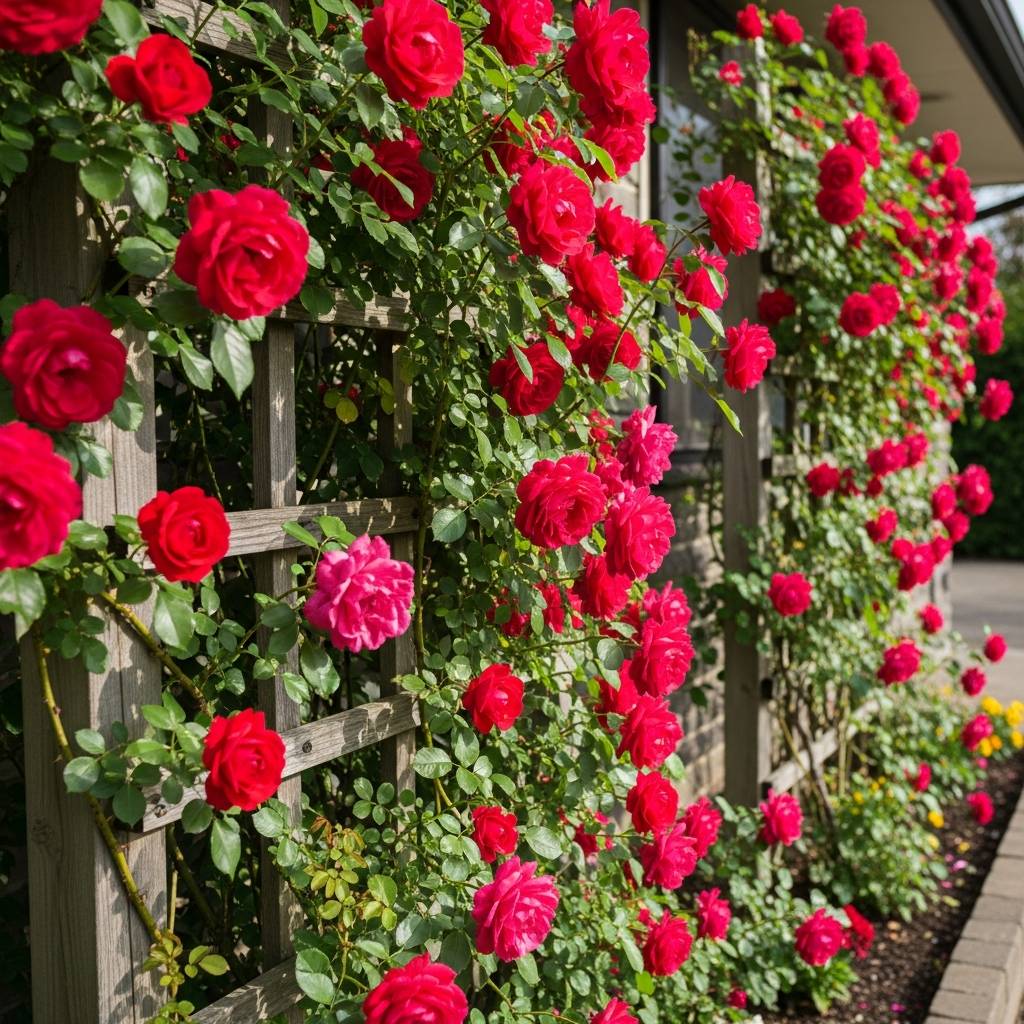
If space is limited, or you simply want a dramatic backdrop, consider adding a vertical element to your flower bed. This could be a trellis with climbing roses or clematis, or a vertical planter system attached to a wall. This draws the eye upwards, adding height and dimension to your overall landscaping. It’s a clever way to maximize your planting area and create a living piece of art.
13. Mailbox Garden Delight
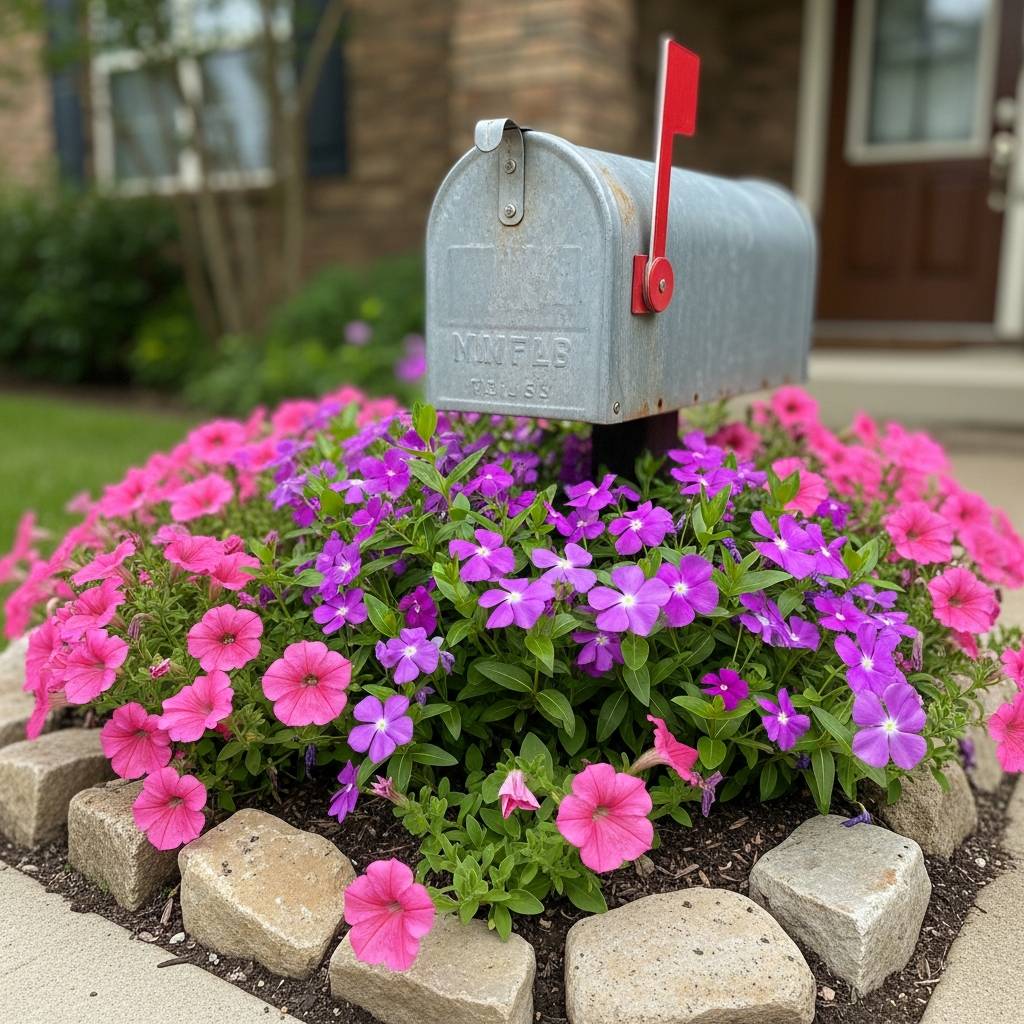
Don’t forget the mailbox! Turn the area around your mailbox into a charming mini flower bed. This often overlooked spot is perfect for creating a small, impactful display. Choose low-growing, colorful flowers like petunias, vinca, or pansies, and perhaps a small ornamental grass for height. Ensure plants don’t obstruct the mail carrier’s access. It’s a delightful way to greet visitors and the postman alike.
14. Rock Garden with Alpines
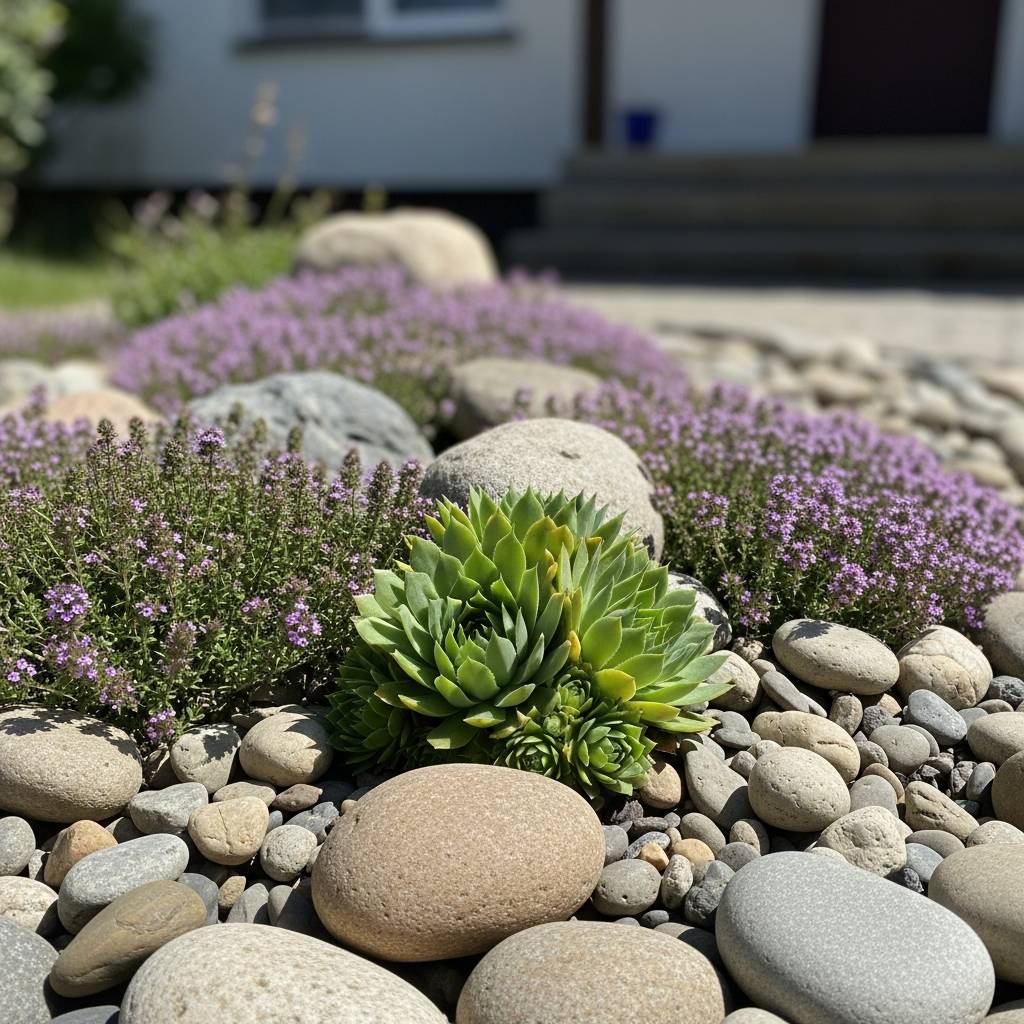
For a low-maintenance and visually striking option, create a rock garden flower bed. This involves arranging various sizes of rocks and planting hardy alpine plants and succulents that thrive in rocky, well-drained conditions. Think about small creeping thyme, sedum, sempervivum, and miniature conifers. The rocks provide visual interest and help retain moisture, mimicking a mountain landscape. It’s tough, beautiful, and unique.
15. Seasonal Rotation Bed
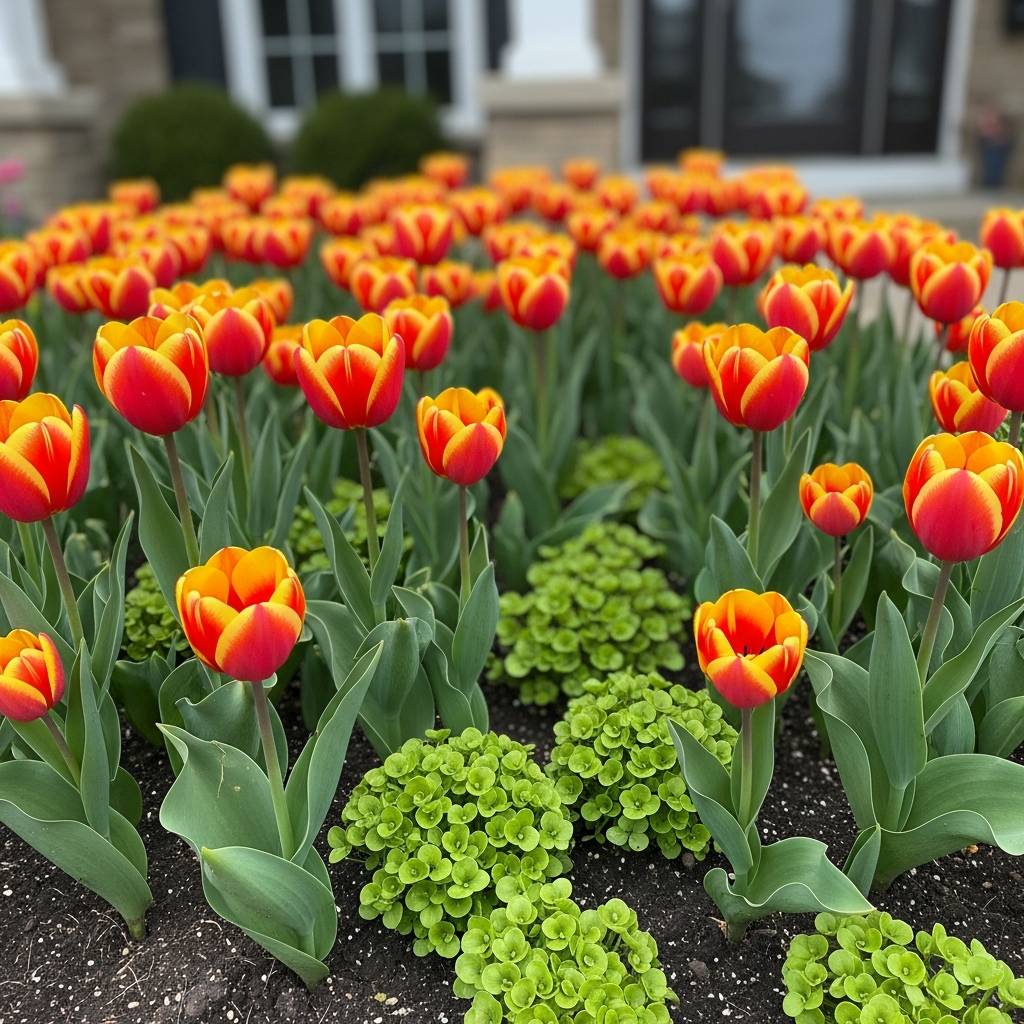
For continuous color and interest, design a flower bed around seasonal rotation. Plant spring bulbs like tulips and daffodils, then follow with summer annuals such as zinnias and cosmos, and finally autumn-blooming mums or pansies. This requires a bit more planning but ensures your front yard always has something vibrant in bloom. It’s a living calendar of beauty, keeping your curb appeal fresh all year long.